

Introduction
Rotator cuff injuries are among the most common causes of shoulder pain and disability worldwide. These injuries vary from mild inflammation to full-thickness tears. While surgery is sometimes necessary, it is not always the best initial approach. Knowing when not to have rotator cuff surgery helps patients avoid unnecessary procedures, reduces recovery time, and protects long-term shoulder health.
This comprehensive guide explores medical reasoning, alternative treatments, lifestyle factors, and decision-making strategies for individuals facing shoulder issues.
Understanding Rotator Cuff Injuries

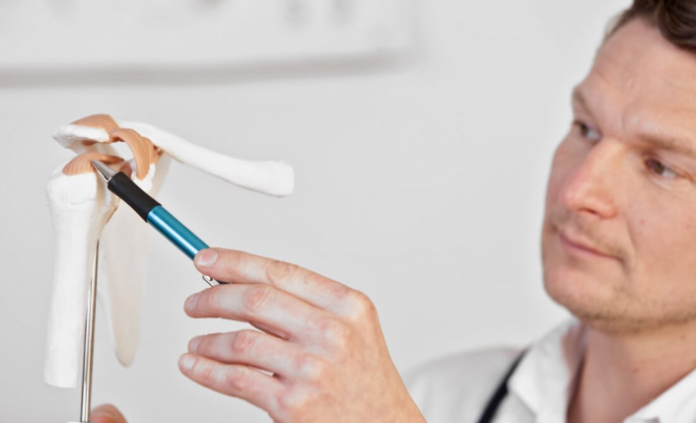
The rotator cuff is a complex network of four muscles: supraspinatus, infraspinatus, teres minor, and subscapularis. These muscles stabilize the shoulder and allow for a wide range of motion. Injuries may result from acute trauma, repetitive overuse, or age-related degeneration. Common types of rotator cuff injuries include:
- Tendinitis: Inflammation of the tendons due to repetitive motion.
- Partial Tears: Damage to part of the tendon, often with preserved function.
- Full-Thickness Tears: Complete rupture, sometimes requiring surgical repair.
Not all tears cause symptoms. Studies show that up to 50% of adults over 60 have rotator cuff tears without experiencing pain or functional limitations. Therefore, surgery is not always necessary.
Why Surgery Isn’t Always the First Choice
Surgery is often viewed as the definitive solution for rotator cuff injuries. However, multiple studies demonstrate that non-surgical treatments can be equally effective for many patients, especially those with partial or asymptomatic tears. Key reasons to consider alternatives include:
- Healing potential: Many mild tears improve over time with physical therapy.
- Recovery time: Surgery can take several months, while conservative management often shows improvement within weeks.
- Risk profile: Surgery carries risks including infection, stiffness, and complications from anesthesia.
Evidence Supporting Conservative Care
Clinical studies indicate that patients with small or moderate tears often achieve outcomes comparable to surgical intervention through physical therapy and lifestyle modifications. Research highlights include:
- Physical therapy improves strength, mobility, and pain control in up to 80% of patients with partial tears.
- Conservative care avoids the inherent risks of surgery, including infection, scarring, and prolonged rehabilitation.
- Long-term function is often similar between patients who undergo surgery and those who pursue non-surgical approaches.
Factors Influencing the Decision Against Surgery
Several medical, lifestyle, and functional considerations may make surgery less advisable.
Medical Risks and Comorbidities
Patients with underlying health conditions may face higher surgical risks, such as:
- Cardiovascular disease
- Diabetes or uncontrolled blood sugar
- Bleeding disorders
- Previous complications from anesthesia
In these cases, non-surgical interventions may offer a safer path to symptom relief and functional recovery.
Age and Functional Demand
Older adults or those with low functional requirements often fare well with conservative treatment. Surgery may not significantly enhance daily activities for these individuals. Conversely, young athletes or laborers performing heavy overhead tasks may still benefit from surgical repair if other measures fail.
Tear Characteristics
The type and extent of the tear play a critical role:
- Partial tears with preserved function: Often respond well to therapy without surgery.
- Chronic degenerative tears: Surgical outcomes may be limited, as tendons may not heal fully.
- Acute traumatic tears: Surgery is sometimes necessary to restore full function, especially in active individuals.
Pain vs. Function
Surgery should be considered when weakness, loss of motion, or significant disability exists. Pain alone, particularly mild discomfort, is rarely a sufficient reason for surgical intervention. Most pain can be managed through therapy, activity modification, and anti-inflammatory strategies.
Risks Associated with Rotator Cuff Surgery
Even when indicated, surgery carries potential complications. Understanding these helps patients make informed choices.
| Risk | Likelihood | Notes |
|---|---|---|
| Infection | Moderate | Can be reduced with prophylactic antibiotics |
| Anesthesia complications | Low to moderate | Depends on patient health |
| Re-tear or incomplete healing | 10–30% | Higher in chronic tears and older adults |
| Shoulder stiffness | Moderate | Requires post-op physical therapy |
| Extended recovery | 3–6 months | May limit work and daily activities |
| Financial cost | High | Includes surgery, hospital stay, and rehab |
These risks, combined with the long recovery period, often justify trying non-surgical options first.
Non-Surgical Treatment Options
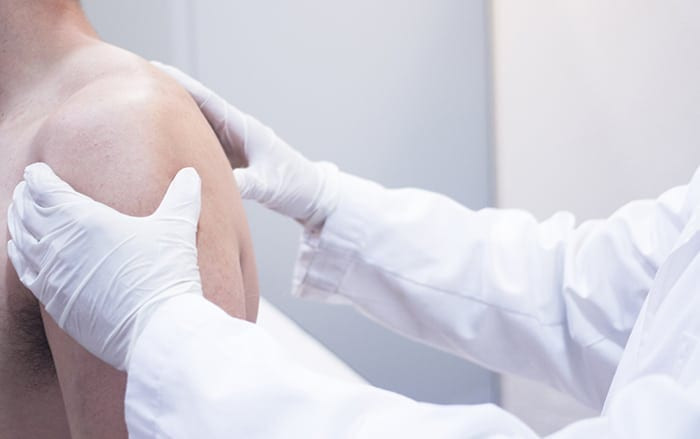
A variety of conservative measures can be highly effective for rotator cuff injuries.
Physical Therapy
A structured therapy program targets:
- Strengthening rotator cuff and surrounding muscles
- Improving shoulder mechanics
- Reducing pain and inflammation
Therapy is often the first-line treatment for partial tears and mild full-thickness tears. Evidence shows that dedicated physical therapy can yield functional outcomes comparable to surgery in many cases.
Activity Modification
Adjusting daily routines to avoid painful or risky movements can prevent further injury. Techniques include:
- Limiting overhead lifting
- Avoiding repetitive stress on the shoulder
- Incorporating rest periods during activity
These modifications, combined with strengthening exercises, support recovery without surgery.
Medications and Injections
- NSAIDs: Reduce inflammation and pain.
- Corticosteroid injections: Temporarily relieve pain, allowing participation in therapy.
- PRP (Platelet-Rich Plasma): Emerging treatment that may promote tendon healing in select cases.
Medication strategies are adjuncts to therapy, not standalone solutions.
Lifestyle Optimization
Recovery and long-term shoulder health are influenced by overall wellness:
- Smoking cessation enhances healing.
- Balanced nutrition supports tissue repair.
- Regular fitness improves strength and flexibility.
Addressing these factors improves outcomes regardless of whether surgery is eventually performed.
Recovery Timeline with Conservative Care
Most patients notice meaningful improvement within weeks to months, depending on the severity of the injury and adherence to therapy.
| Phase | Focus | Typical Duration |
| Pain Control | Rest, ice, anti-inflammatory medications | 1–2 weeks |
| Strengthening | Targeted exercises, therapy | 2–6 weeks |
| Functional Improvement | Daily activities and light exercise | 6–12 weeks |
| Maintenance | Long-term conditioning and strength | 3–6 months |
Patients who follow a consistent therapy regimen often achieve near-normal function within 3–6 months.
Psychological Considerations
Mental readiness and realistic expectations play a significant role in recovery:
- Patience and persistence improve outcomes.
- Anxiety and fear may heighten pain perception.
- Understanding the healing process empowers patients and encourages adherence to therapy.
When Surgery Might Be Necessary
While non-surgical care is often effective, there are situations where surgery may be appropriate:
- Severe weakness preventing daily activities
- Acute traumatic tears in active individuals
- Progressive loss of function despite therapy
- Shoulder instability or recurrent dislocations
In these cases, surgical repair can restore function, prevent further deterioration, and reduce long-term disability.
Patient Experiences
Real-world accounts provide insight into non-surgical recovery:
- “I avoided surgery and regained full strength with physical therapy.” Many patients achieve excellent function without invasive procedures.
- “Mild pain resolved in a few weeks, and surgery seemed unnecessary.” Conservative care is often sufficient for minor tears.
- “My doctor recommended therapy first, and it worked perfectly.” Shared decision-making enhances patient satisfaction and outcomes.
FAQs
Q1: How long should I try non-surgical treatment?
A: Typically 6–12 weeks, unless severe pain or functional limitation exists that requires earlier intervention.
Q2: Can a rotator cuff tear heal without surgery?
A: Partial tears often improve with therapy; chronic full-thickness tears rarely heal completely without surgery.
Q3: Will surgery completely eliminate shoulder pain?
A: Surgery reduces symptoms in many cases, but outcomes vary based on age, tear size, and adherence to rehabilitation.
Q4: Is physical therapy effective for severe tears?
A: Therapy can improve function, but large or traumatic tears may eventually require surgery if non-surgical measures fail.
Q5: What lifestyle factors support recovery?
A: Smoking cessation, good nutrition, safe exercise, and proper shoulder mechanics enhance healing and long-term function.
Conclusion: Informed Decisions for Shoulder Health
Deciding when not to have rotator cuff surgery is crucial for optimizing outcomes and avoiding unnecessary risks. Conservative care often provides excellent functional improvement, pain relief, and long-term shoulder health. Key considerations include:
- Severity of the tear and symptoms
- Functional demands and personal goals
- Overall health and medical risks
- Commitment to therapy and lifestyle modifications
Consulting with a qualified orthopedic specialist, asking detailed questions, and evaluating personal goals ensures that the chosen treatment approach prioritizes safety, function, and quality of life. Conservative care, patient education, and proactive lifestyle choices often result in excellent outcomes without the need for invasive procedures.
Read More:-Does Medicare Really Cover Cataract Surgery? Everything You Should Know