


Introduction
Cataract surgery is one of the most frequently performed procedures in the United States, especially for older adults. A cataract clouds the lens of the eye, reducing vision gradually and often interfering with daily life. Reading, driving, and even recognizing faces can become difficult. For many Medicare beneficiaries, the first question is: does Medicare cover cataract surgery?
Understanding Medicare coverage is essential to ensure that your surgery is affordable and that you avoid unexpected costs. This guide explores coverage, costs, preparation tips, and practical advice to help you navigate the process confidently.
What Cataracts Are and Why Surgery Matters

A cataract is a clouding of the eye’s natural lens. While it typically develops slowly with age, symptoms like blurred vision, glare, and difficulty seeing at night often prompt surgery. Cataract surgery removes the cloudy lens and replaces it with an artificial intraocular lens (IOL).
Surgery is highly effective, with most patients experiencing immediate improvement in vision. Beyond restoring sight, cataract surgery improves quality of life, reduces the risk of falls, and allows greater independence. Understanding coverage under Medicare ensures that this important procedure remains accessible.
Many patients wonder, does Medicare cover cataract surgery if they also want premium lenses or elective procedures? The answer is nuanced and depends on the type of lenses and whether the surgery is medically necessary.
How Medicare Works for Cataract Surgery
Medicare is divided into different parts, each with its own coverage rules. For cataract surgery, knowing the differences is crucial:
- Medicare Part A – Covers hospital stays, which are rarely needed for outpatient cataract surgery.
- Medicare Part B – Covers outpatient procedures, doctor visits, and medically necessary surgeries, including most cataract removals.
- Medicare Advantage (Part C) – Private insurance plans that combine Part A and B benefits, sometimes with additional vision coverage.
- Medicare Part D – Prescription drug coverage, which may help with post-surgery medications but does not cover surgery itself.
For the majority of patients, Medicare Part B is the main source of coverage for cataract surgery. Knowing which services are included helps answer the central question: does Medicare cover cataract surgery in full or only partially?
Does Medicare Cover Cataract Surgery?
The short answer is yes, if the procedure is medically necessary. Medicare Part B generally covers:
- Pre-surgery evaluations and diagnostic tests.
- The surgical procedure, including surgeon and facility fees.
- Standard intraocular lenses (IOLs).
- One pair of prescription eyeglasses or contact lenses after surgery.
- Follow-up visits related to the surgery.
It is important to note that premium lenses or elective upgrades are typically not covered, and patients must pay out of pocket for these options.
Answering the question does Medicare cover cataract surgery also depends on whether your provider participates in Medicare and whether the procedure is performed in an approved outpatient setting.
Detailed Coverage of Cataract Surgery Under Medicare

Pre-Surgery Evaluation
Before surgery, your ophthalmologist performs a comprehensive eye exam to confirm cataract severity and rule out other eye conditions. Medicare Part B generally covers these medically necessary diagnostic tests.
The Surgical Procedure
Cataract surgery is usually outpatient. Part B covers the procedure when medically necessary, including surgeon and facility fees. Hospitalization is rarely required unless complications arise.
Intraocular Lens (IOL) Coverage
During surgery, the natural cloudy lens is replaced with a standard monofocal IOL. Medicare covers standard lenses, which restore distance vision. Patients choosing premium or multifocal lenses must pay additional costs.
Post-Surgery Eyewear
After surgery, Medicare covers one pair of prescription glasses or contacts if a standard lens is used. Additional lenses, upgrades, or cosmetic options are not included.
Follow-Up Care
Postoperative appointments are important to monitor healing, assess the lens, and check vision improvement. Medicare Part B typically covers medically necessary follow-up visits related to the surgery.
Answering the frequently asked question, does Medicare cover cataract surgery, also means understanding which services are included, such as standard lenses and follow-up care.
What Medicare Does Not Cover
While Medicare covers most medically necessary aspects, certain items are excluded:
- Premium or specialty lenses like multifocal or toric lenses.
- Elective procedures such as LASIK performed at the same time.
- Routine eye exams unrelated to disease or surgery.
- Cosmetic or optional upgrades not deemed medically necessary.
Patients often ask, “If I want advanced lenses, does Medicare cover cataract surgery?” The simple answer is no, additional costs are typically out-of-pocket.
Cost Considerations: Deductibles, Coinsurance, and Out-of-Pocket Expenses
Even with Medicare coverage, some costs are typically incurred:
- Part B Deductible: For 2026, the deductible is approximately $226.
- Coinsurance: After the deductible, you usually pay 20% of the Medicare-approved amount.
- Balance Billing: If the surgeon does not accept Medicare assignment, additional costs may apply.
Table: Medicare Coverage and Costs for Cataract Surgery
| Service | Medicare Coverage | Typical Your Cost |
|---|---|---|
| Pre-Surgery Evaluation | Covered | 20% coinsurance after deductible |
| Surgery Procedure | Covered | 20% coinsurance after deductible |
| Standard Intraocular Lens | Covered | 20% coinsurance after deductible |
| Premium Lens Upgrade | Not covered | Full cost |
| Post-Surgery Eyewear | Covered (1 pair) | 20% coinsurance |
Patients asking does Medicare cover cataract surgery should always review their costs in detail and understand the distinction between standard and premium options.
Medicare Advantage Plans and Cataract Surgery
Medicare Advantage plans, offered by private insurers, may provide the same coverage as Original Medicare but with some differences:
- Plans must cover medically necessary procedures like cataract surgery.
- Some plans offer additional benefits, such as routine eye exams or enhanced vision coverage.
- Copays, coinsurance, and network restrictions vary by plan.
Those enrolled in Medicare Advantage may also ask, “Does Medicare cover cataract surgery differently than Original Medicare?” In most cases, medically necessary surgery is covered, but extra benefits and costs depend on the plan.
Preparing for Cataract Surgery With Medicare
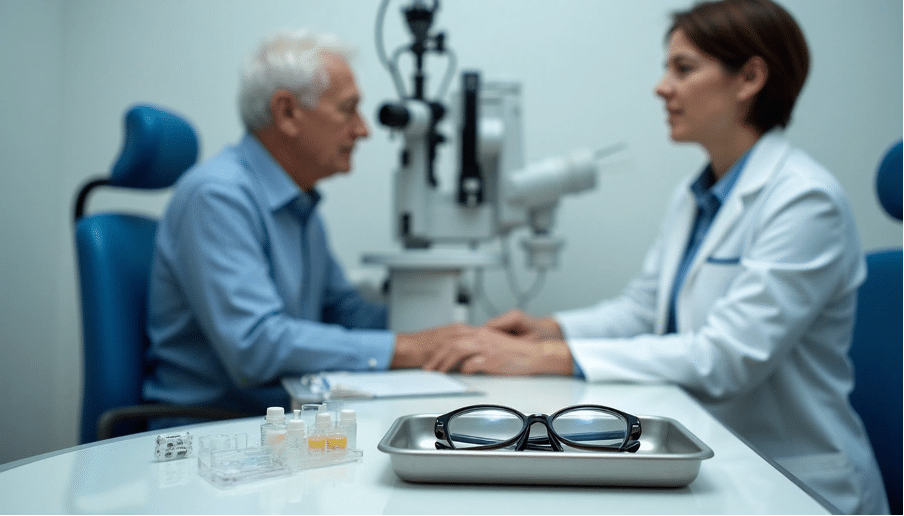
Preparation is key to minimizing costs and ensuring smooth coverage:
- Confirm Medical Necessity: Your ophthalmologist must document that your vision is impaired and surgery is required.
- Verify Provider Participation: Choose surgeons and facilities that accept Medicare assignment to avoid extra charges.
- Ask About Lens Options: Understand the difference between standard and premium lenses and related costs.
- Request a Cost Estimate: Ask your provider for a written breakdown of what Medicare will cover and what you will owe.
Being proactive ensures that your answer to “does Medicare cover cataract surgery” is accurate and tailored to your situation.
Tips to Save on Cataract Surgery Costs
- Choose standard lenses to reduce out-of-pocket expenses.
- Use a Medigap plan to cover coinsurance or deductibles.
- Compare facility and surgeon fees to find the most affordable options.
- Ask about financing plans if you want premium lenses or upgrades.
Common Barriers to Medicare Coverage
Even with coverage, some issues may delay or increase costs:
- Providers who do not accept Medicare assignment may charge higher fees.
- Surgery must be deemed medically necessary; early or elective procedures may not qualify.
- Missing or incomplete medical documentation can delay coverage approval.
Addressing these concerns helps ensure your cataract surgery is covered and reduces surprises.
Patient Experiences With Cataract Surgery and Medicare
Many Medicare beneficiaries report positive outcomes:
- Improved vision and quality of life.
- Increased independence for daily activities.
- Predictable costs after understanding Medicare coverage.
- Satisfaction with standard lenses for clear, distance vision.
Patient stories often answer the question, “does Medicare cover cataract surgery?” through real-world experiences showing both coverage and limitations.
Comparison: Medicare vs Private Insurance
| Feature | Medicare | Private Insurance |
|---|---|---|
| Cataract Surgery | Covered if medically necessary | Usually covered |
| Lens Options | Standard covered | May include premium lenses |
| Vision Exams | Medically necessary only | Often routine exams included |
| Cost Sharing | Deductible + coinsurance | Varies by plan |
| Network Restrictions | May vary | Often stricter |
This comparison shows Medicare provides strong coverage for necessary procedures but may not cover elective or premium options.
Medicare Cataract Surgery Facts:
- Part B covers medically necessary cataract surgery.
- Standard intraocular lenses are included.
- One pair of glasses or contacts post-surgery is covered.
- Premium lenses or elective upgrades are not covered.
FAQs About Does Medicare Cover Cataract Surgery
Q1: Does Medicare cover cataract surgery costs?
A1: Yes, Part B generally covers medically necessary surgery, including standard lenses.
Q2: Are premium lenses covered?
A2: No, premium lens upgrades are usually paid out-of-pocket.
Q3: Can I choose any surgeon?
A3: Yes, but extra costs may apply if the surgeon does not accept Medicare assignment.
Q4: Are follow-up visits covered?
A4: Yes, medically necessary postoperative visits are typically covered.
Q5: Does Medicare Advantage include routine exams?
A5: Some plans do, but coverage varies by insurer.
Q6: Is LASIK covered with cataract surgery?
A6: No, refractive procedures are generally excluded.
Q7: What is my coinsurance?
A7: Typically 20% after the Part B deductible.
Q8: Does Medicare cover both eyes?
A8: Yes, if both eyes require medically necessary surgery.
Conclusion
In summary, does Medicare cover cataract surgery? Yes — when the procedure is medically necessary, Original Medicare Part B covers the surgery, standard lenses, and related postoperative care. While premium lenses and elective upgrades are not included, careful planning, confirming provider participation, and understanding your plan’s specifics can help minimize costs. Cataract surgery can dramatically improve quality of life, and Medicare coverage ensures this life-changing procedure is accessible to millions of seniors.
By preparing ahead, reviewing your options, and discussing costs with your surgeon and insurance provider, you can navigate cataract surgery with confidence and clarity.
Read More:-Affordable Vision Solutions: Understanding the Cost of LASIK Surgery