


Introduction
There’s a unique emotional whirlwind that comes with the realization that your knee surgery is just around the corner. That feeling when knee surgery is tomorrow is one many patients know all too well: a mix of fear, anticipation, and hope. One moment, you might feel apprehensive about the unknown; the next, you feel relief that the pain and limited mobility that prompted surgery will soon be addressed. Understanding this emotional and physical landscape is critical to preparing yourself so that you can face your procedure with confidence.
This guide delves into what you can expect emotionally, physically, and mentally the day before surgery, as well as actionable strategies to make the day of surgery and post-operative recovery smoother. By the end, you’ll be equipped to manage your stress, prepare your body, and embrace recovery with clarity.
Understanding the Emotional Rollercoaster
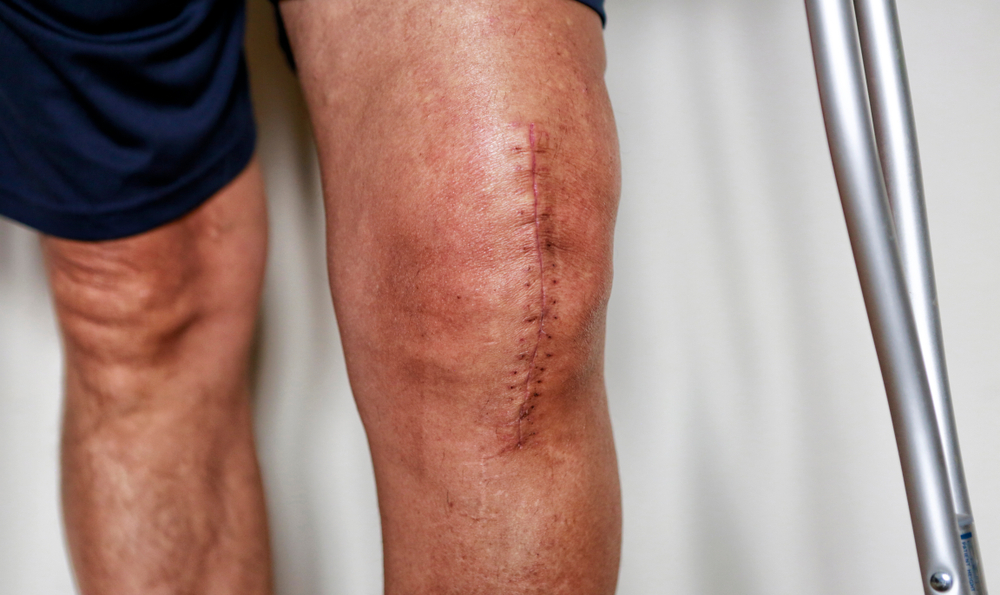
One of the most common experiences before surgery is the flood of emotions that arrive as the procedure approaches. The night before surgery, patients often experience anxiety, overthinking, and even a flicker of excitement. Recognizing and normalizing these feelings can help you regain a sense of control.
Anxiety and Fear
Anxiety is a natural response to any surgery. Many patients report nervousness about the procedure, anesthesia, or post-operative pain. That feeling when knee surgery is tomorrow often manifests as a racing mind, tension in the body, or difficulty sleeping. Instead of resisting these feelings, acknowledge them. Simple practices like deep breathing, guided meditation, or journaling can reduce tension and help you focus on positive outcomes.
Overthinking Outcomes
As surgery nears, it’s easy to imagine worst-case scenarios: What if complications arise? What if recovery is slow? Overthinking rarely changes the outcome but can intensify stress. Focus instead on facts: your surgical team is highly trained, complications are rare, and most patients experience significant improvement after knee surgery. By reframing your thoughts, you can mitigate the anxiety associated with that feeling when knee surgery is tomorrow.
Anticipation and Relief
Interestingly, many patients also feel relief the day before surgery. The wait is almost over, and the procedure marks the beginning of regaining mobility and freedom from pain. That sense of hope is an essential counterbalance to fear. Embracing this anticipation can transform that feeling when knee surgery is tomorrow from a source of stress to a motivator.
Physical Preparation for the Day Before Surgery
Physical preparation is essential. By taking concrete steps the day before, you can minimize stress and reduce the risk of complications.
Follow Pre-Operative Instructions Carefully
Your surgeon and hospital will provide detailed pre-operative instructions regarding medications, fasting, and hygiene. Following these is critical. Missing a step could delay surgery or cause unnecessary stress. For example, fasting before anesthesia is mandatory, and taking certain medications may need to be paused. Paying attention to these details reduces anxiety connected to that feeling when knee surgery is tomorrow.
Pack Your Hospital Bag
Packing ahead of time alleviates last-minute stress. Include:
- Comfortable clothing
- Personal hygiene items
- Medical documents and identification
- Phone, charger, and any comfort items
Being prepared ensures that you can focus on rest rather than scrambling at the last moment.
Set Up a Recovery Space at Home
Even before surgery, you can make recovery easier by arranging a safe, comfortable space. Place mobility aids like crutches or walkers nearby. Keep frequently used items within easy reach. Planning ahead allows you to feel in control and reduces worry linked to that feeling when knee surgery is tomorrow.
Avoid Physical Strain
While it’s tempting to finish chores or engage in light exercise, your knee should remain protected. Avoid heavy lifting or strenuous activity that could worsen your condition. Gentle stretching may be allowed if recommended by your surgeon.
Mental Strategies to Reduce Pre-Surgery Stress
Mental preparation is just as crucial as physical readiness. Stress before surgery can affect sleep, pain perception, and even recovery speed.
Practice Deep Breathing and Meditation
Even 10–15 minutes of intentional breathing can calm the nervous system. Deep breathing reduces heart rate and lowers cortisol, helping you face that feeling when knee surgery is tomorrow with a calmer mindset.
Visualization Techniques
Visualization is a powerful tool. Imagine the procedure going smoothly and recovery progressing well. Picture yourself walking comfortably and engaging in activities you enjoy. Positive mental imagery helps counter stress and builds confidence for post-operative recovery.
Limit Negative Input
Avoid reading alarming stories or online forums about surgical complications. Stick to trusted sources such as your surgeon, hospital materials, or verified medical websites. Surrounding yourself with positive and factual input can transform that feeling when knee surgery is tomorrow into something manageable.
Nutrition and Hydration Before Surgery
Proper nutrition the day before surgery prepares your body for anesthesia and recovery.
| Nutrient | Benefit | Examples |
|---|---|---|
| Protein | Supports tissue repair | Eggs, chicken, tofu, lentils |
| Vitamin C | Boosts immune function | Oranges, bell peppers, kiwis |
| Hydration | Prevents dizziness & supports healing | Water, herbal teas |
| Light Carbohydrates | Provides energy without bloating | Oats, rice, whole-grain toast |
Avoid alcohol, heavy meals, and high-fat foods. Balanced nutrition eases stress and supports your body in facing surgery confidently, reducing the weight of that feeling when knee surgery is tomorrow.
Night Before Surgery Checklist
Having a structured plan the night before can greatly reduce stress:
- Confirm logistics – Double-check hospital arrival time, transportation, and documents.
- Hygiene – Take a shower or use an antiseptic wash if recommended.
- Rest – Try to sleep early; even light rest can boost resilience.
- Communication – Discuss last-minute questions with your surgical team.
Following a checklist gives you control over circumstances that might otherwise worsen that feeling when knee surgery is tomorrow.
What to Expect on Surgery Day
Knowing the flow of the day reduces fear:
- Hospital Arrival and Check-In: Nurses verify information and prep your knee.
- Anesthesia Briefing: The anesthesiologist reviews options, explains risks, and answers questions.
- Surgery: Most knee procedures take 1–3 hours.
- Recovery Room: Immediate post-op monitoring ensures safety and comfort.
Having a loved one accompany you can significantly reduce the emotional weight of that feeling when knee surgery is tomorrow.
Post-Operative Recovery Insights
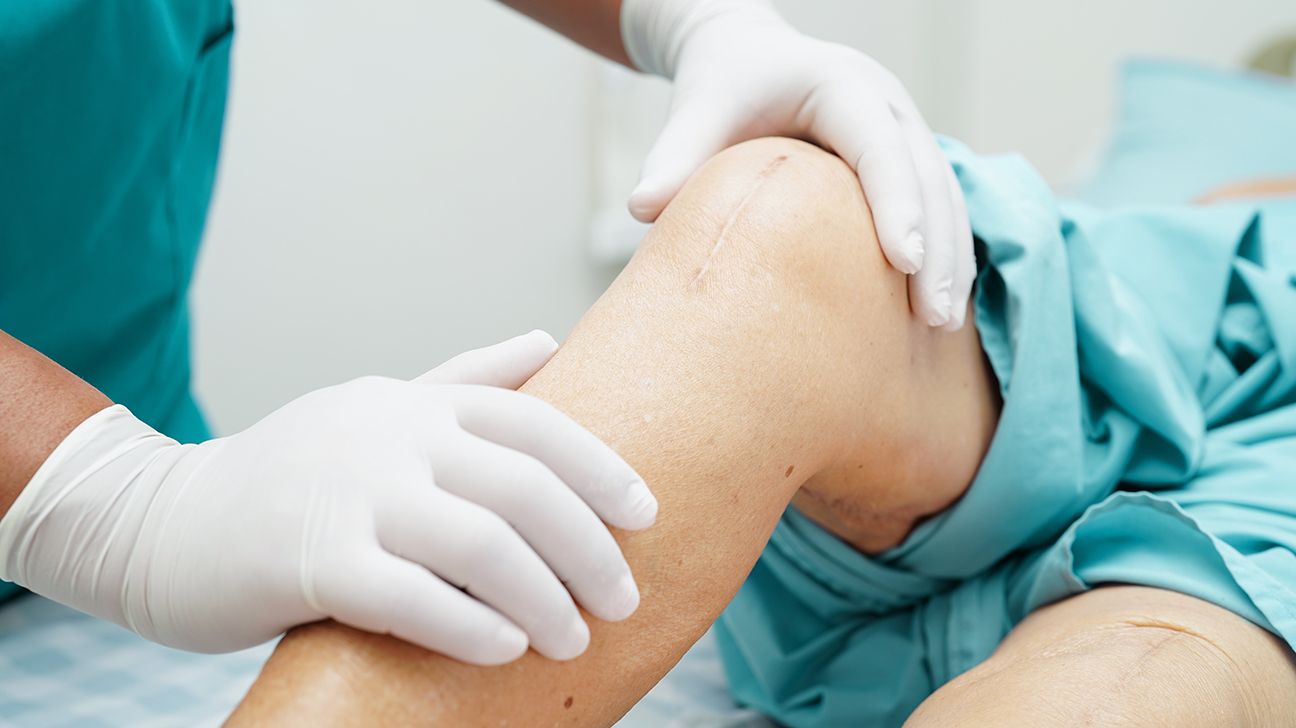
Understanding recovery helps reduce fear and improves adherence to treatment plans.
Pain Management
Some discomfort is expected. Your medical team will provide medication and guidance on ice therapy or elevation. Following instructions helps minimize pain and stress.
Mobility and Physical Therapy
Early movement is often encouraged to prevent stiffness. Physical therapy usually starts within 24–48 hours. Commitment to therapy directly influences recovery speed and long-term outcomes.
Lifestyle Adjustments
Temporary changes like using assistive devices and arranging your home safely are crucial. These adjustments help you navigate post-operative challenges without unnecessary stress, reducing the impact of that feeling when knee surgery is tomorrow.
Emotional Support
Connecting with friends, family, or support groups provides reassurance. Emotional well-being plays a significant role in healing and recovery.
Coping With “What If” Thoughts
Hypothetical worries often dominate pre-surgery thoughts.
- Complications: Rare, and surgeons are trained to handle emergencies.
- Slow Recovery: Recovery timelines vary. Adherence to therapy ensures progress.
- Feeling Overwhelmed: Mindfulness, journaling, or counseling are effective tools.
These strategies help transform that feeling when knee surgery is tomorrow from a source of dread into manageable anticipation.
Common FAQs About Knee Surgery Preparation
Q1: Is it normal to feel nervous the night before surgery?
Absolutely. Anxiety is universal, and preparation increases confidence.
Q2: Can I eat or drink before surgery?
Follow your surgeon’s instructions; fasting is usually required 6–8 hours prior.
Q3: How long does recovery take?
Recovery varies: arthroscopy may take weeks, knee replacement 3–6 months.
Q4: Should I prepare my home before surgery?
Yes. Remove hazards, arrange resting areas, and keep essentials within reach.
Q5: Can meditation help with pre-surgery anxiety?
Yes. Mindfulness techniques significantly reduce stress and improve post-op outcomes.
Support Tips for Family and Caregivers
Family and caregivers play a key role:
- Assist with mobility and daily tasks.
- Encourage adherence to medications and therapy.
- Provide reassurance and emotional support.
Feeling anxious before knee surgery is normal. Proper mental preparation, following pre-op instructions, and arranging recovery support can significantly improve outcomes.
Conclusion: Facing Surgery With Confidence
That feeling when knee surgery is tomorrow can be intense, but preparation transforms it into a manageable experience. By addressing emotional and physical needs, following guidance, and planning your recovery environment, you can face surgery with confidence. Remember: anxiety is temporary, but the benefits of improved mobility, reduced pain, and a return to normal activities are long-lasting. Trust your medical team, stay calm, and embrace the recovery journey ahead.
Read More:-Avoid Rotator Cuff Surgery: Key Situations and Smart Recovery Choices