


Introduction
Pregnancy is one of the most profound and life-changing events in a person’s life. It brings excitement, anticipation, and sometimes anxiety. One of the earliest questions many people ask is: maximum how many days to confirm pregnancy? Knowing when pregnancy can be accurately confirmed is essential—not just for emotional reassurance, but also for health, planning, and lifestyle adjustments.
While home pregnancy tests, blood tests, and ultrasounds are all commonly used to confirm pregnancy, the timing of these tests plays a crucial role in accuracy. Rushing into testing too early can lead to confusion, while waiting too long may increase anxiety. In this comprehensive guide, we’ll explore the biology behind early pregnancy, testing methods, timelines, factors affecting detection, symptoms, and expert tips to help you navigate this exciting phase with confidence.
By the end of this guide, you’ll understand maximum how many days to confirm pregnancy, how to choose the right test, and how to interpret results for reliable confirmation.
The Biology of Early Pregnancy

Fertilization and Implantation
Pregnancy begins with fertilization, when a sperm meets an egg in the fallopian tube. This union forms a zygote, which begins dividing as it travels toward the uterus. Implantation occurs when the embryo embeds into the uterine lining, typically 6 to 12 days after ovulation. This process triggers the production of human chorionic gonadotropin (hCG), the hormone detected by pregnancy tests.
The Role of hCG
Once implantation occurs, hCG is released by the developing placenta. This hormone doubles approximately every 48–72 hours during early pregnancy. Home and laboratory tests detect hCG to confirm pregnancy. The timing and speed of hCG production vary for each individual, which is why some people can detect pregnancy earlier than others.
Why Timing Matters
The timing of detection is influenced by several factors: the day of ovulation, the speed of implantation, individual hormonal responses, and the sensitivity of the test. These factors make it essential to understand realistic windows for confirming pregnancy, especially when considering the question of maximum how many days to confirm pregnancy.
Methods to Confirm Pregnancy
There are multiple ways to confirm pregnancy, each with its advantages, limitations, and appropriate timing.
Home Pregnancy Tests
Home pregnancy tests (HPTs) detect hCG in urine. They are convenient, widely available, and easy to use.
Advantages:
- Quick and private
- Affordable
- Available over-the-counter
Limitations:
- Sensitivity varies by brand
- False negatives are possible if tested too early
- Incorrect usage may affect accuracy
Most home tests recommend waiting at least 14 days after ovulation or after a missed period for reliable results.
Blood Tests
Blood tests provide more precise detection. There are two main types:
- Qualitative hCG test: Confirms the presence of hCG (yes or no)
- Quantitative (beta hCG) test: Measures the exact hCG level, which can detect pregnancy earlier than most home tests
Blood tests can detect pregnancy as early as 7–10 days post-ovulation, making them ideal for those seeking early confirmation.
Ultrasound
Ultrasound provides visual confirmation of pregnancy and is often used later to confirm viability. A gestational sac can generally be seen around 5–6 weeks after the last menstrual period. While ultrasound is not the first tool for early detection, it is valuable for confirming ongoing pregnancy and checking fetal development.
When Pregnancy Can Be Confirmed
The timing of pregnancy confirmation depends on ovulation, implantation, and the testing method. Understanding this timeline helps answer maximum how many days to confirm pregnancy.
Days Post Ovulation (DPO)
| Days After Ovulation | What to Expect |
|---|---|
| 0–5 DPO | Too early for pregnancy detection |
| 6–9 DPO | Implantation window; hCG begins to rise |
| 10–14 DPO | Early detection possible with sensitive tests |
| 14+ DPO | Most tests provide accurate results |
Although early detection is possible around 6–12 DPO, accuracy improves significantly after a missed period.
Maximum Time for Reliable Confirmation
Medical professionals generally suggest that for maximum accuracy, pregnancy can be reliably confirmed up to 21 days after ovulation. This accounts for delayed implantation and ensures hCG levels are detectable on most tests. Biological variations can influence this timeline, but waiting for at least three weeks post-ovulation provides the most dependable results.
Factors Affecting Pregnancy Detection
Cycle Irregularities
Irregular menstrual cycles make it harder to pinpoint ovulation, which can delay accurate pregnancy detection. Individuals with irregular cycles may need to wait longer than the standard timeline to achieve reliable results.
Timing of Implantation
Implantation does not occur at the same time for everyone. Late implantation may delay hCG production, making early tests less reliable.
Test Sensitivity
Different pregnancy tests detect varying hCG levels. Highly sensitive tests can detect pregnancy earlier, while standard tests may require a higher hCG threshold, usually reached after a missed period.
Urine Concentration
Urine dilution can affect test accuracy. Testing with first morning urine increases hCG concentration and improves early detection reliability.
Early Signs of Pregnancy
Even before testing, some early pregnancy symptoms may appear. While these are not definitive, they can indicate the possibility of pregnancy.
Common Early Signs
- Breast tenderness or swelling
- Mild cramping or twinges
- Fatigue or drowsiness
- Nausea or morning sickness
- Heightened sense of smell or taste
Symptoms vary widely, and their absence does not rule out pregnancy.
Comparison of Testing Methods
| Method | Earliest Detection | Accuracy | Best Use |
|---|---|---|---|
| Highly Sensitive Home Test | 8–10 DPO | ~90% | Early screening |
| Standard Home Test | 12–14 DPO | ~95% | After missed period |
| Blood Test (Quantitative) | 7–10 DPO | ~99% | Early precise confirmation |
| Ultrasound | 5–6 weeks LMP | ~99% | Confirming viability |
This comparison illustrates that the maximum how many days to confirm pregnancy depends on the method and timing.
How to Improve Test Accuracy
Use First Morning Urine
First morning urine contains the highest concentration of hCG, improving early detection reliability.
Follow Instructions Precisely
Incorrect test usage is a common cause of inaccurate results.
Wait Sufficiently
Testing too early may produce false negatives. Waiting at least a week after a missed period or 14 DPO enhances reliability.
Consult a Healthcare Provider
For early or precise confirmation, blood tests conducted by a healthcare professional provide the most reliable results.
Managing Emotional Stress While Waiting
Waiting for pregnancy confirmation can be stressful. Tips to manage this stress include:
- Planning the test date based on ovulation and cycle tracking
- Talking with supportive friends or family
- Considering counseling or support groups if anxiety is high
Patience is essential, as testing too early can often lead to unnecessary worry.
Common Mistakes in Early Pregnancy Testing
- Testing before hCG is detectable
- Miscalculating ovulation timing
- Using expired or low-quality tests
- Testing at inconsistent times of day
Avoiding these errors ensures more accurate results and reduces stress.
Realistic Expectations for Results
Even though some tests can detect pregnancy as early as 8–10 DPO, most people should wait 14–21 days after ovulation for definitive confirmation. This accounts for natural variations in implantation and hCG production.
Alternative Fertility Tracking Methods
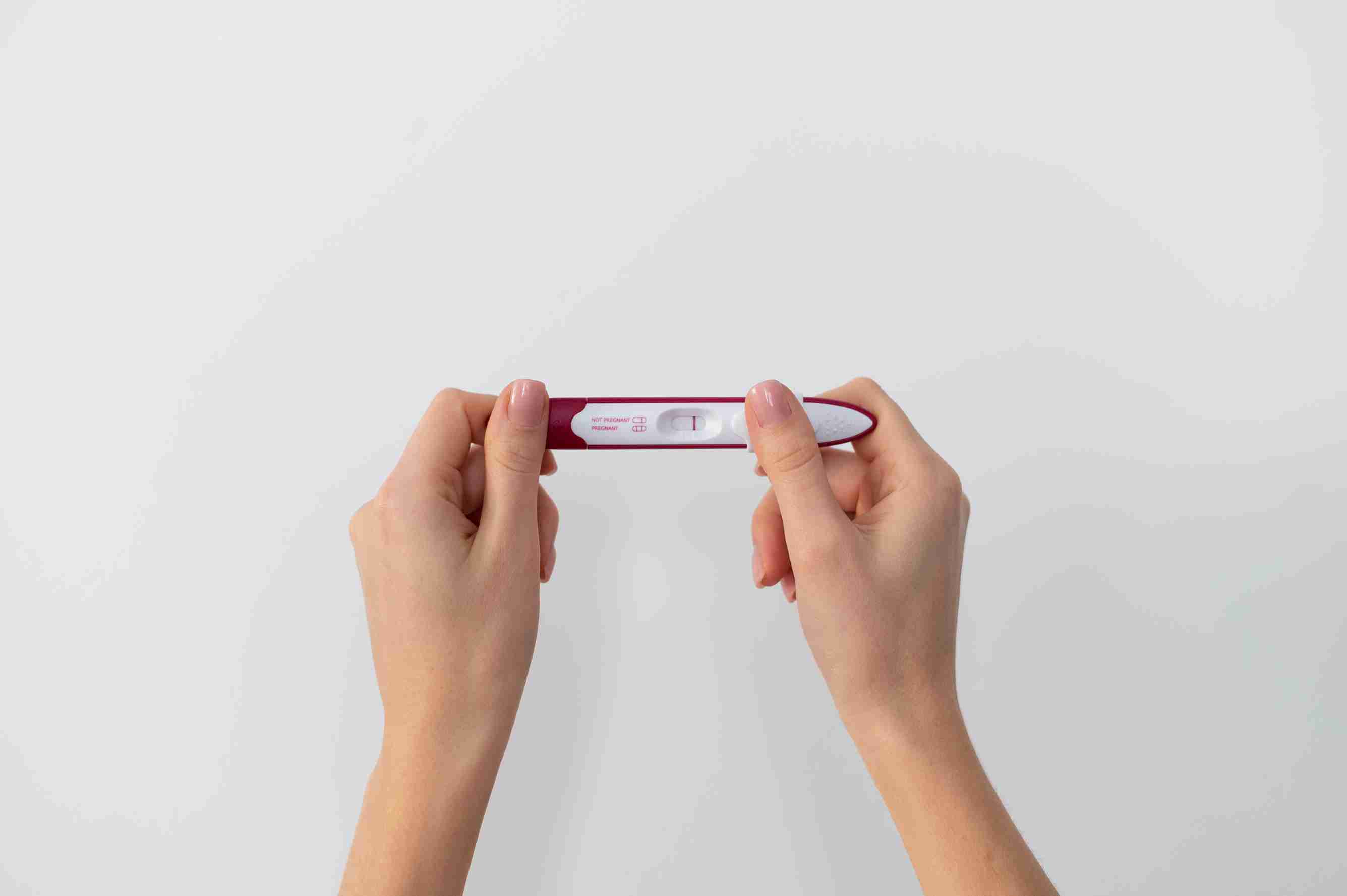
Tracking fertility can improve the timing of testing:
Basal Body Temperature (BBT)
BBT rises slightly after ovulation, helping estimate fertile windows and ovulation timing.
Ovulation Predictor Kits (OPKs)
These kits detect hormonal changes before ovulation, indicating the most fertile days.
Cervical Mucus Monitoring
Observing cervical mucus changes helps identify ovulation and fertile windows.
When to Consult a Healthcare Provider
Professional guidance is recommended if:
- Cycles are irregular
- Pregnancy tests give unclear results
- There are fertility concerns
- Medical conditions may affect pregnancy
Healthcare providers can offer blood tests, ultrasounds, and expert advice for accurate confirmation.
Debunking Common Myths
Myth 1: Pregnancy can be confirmed immediately after intercourse
Reality: Conception and implantation take several days; testing too early may yield false negatives.
Myth 2: Negative early tests mean no pregnancy
Reality: Low hCG levels before implantation or just after may not be detectable.
Myth 3: All tests are the same
Reality: Sensitivity varies, affecting early detection reliability.
FAQ (Frequently Asked Questions)
1. What is the maximum how many days to confirm pregnancy?
Reliable results usually appear around 21 days after ovulation or after a missed period.
2. Can pregnancy be confirmed before a missed period?
Yes, sensitive tests or blood tests may detect pregnancy 10–14 days post-ovulation.
3. Why might early tests be inaccurate?
Hormone levels may be too low for detection, leading to false negatives.
4. How soon should I take a blood test?
Blood tests can detect pregnancy 7–10 days after ovulation, depending on medical advice.
5. Does first morning urine improve accuracy?
Yes, it contains higher concentrations of hCG for early detection.
6. Can ultrasound confirm pregnancy early?
Ultrasound typically confirms pregnancy at 5–6 weeks after LMP and is used to check viability.
Key Takeaways
Early detection is possible, but timing is crucial.
Reliable confirmation is usually within 21 days post-ovulation.
Blood tests are more sensitive than home tests.
Testing too early can cause false negatives.
These guidelines help ensure accurate results and reduce stress during early pregnancy.
Conclusion
Understanding maximum how many days to confirm pregnancy allows you to test effectively, reduce anxiety, and plan confidently. While early detection may occur as soon as 8–14 days after ovulation, waiting up to 21 days provides the most reliable confirmation. Choosing the right test, timing it correctly, and consulting a healthcare provider when necessary ensures clarity and peace of mind.
With the right approach, you can navigate the early stages of pregnancy with confidence and begin planning for the exciting journey ahead.
Read More:-Periods Baad Pregnancy: Kab Aur Kitne Din ke Baad Sambhav Guide 2026!