

Introduction
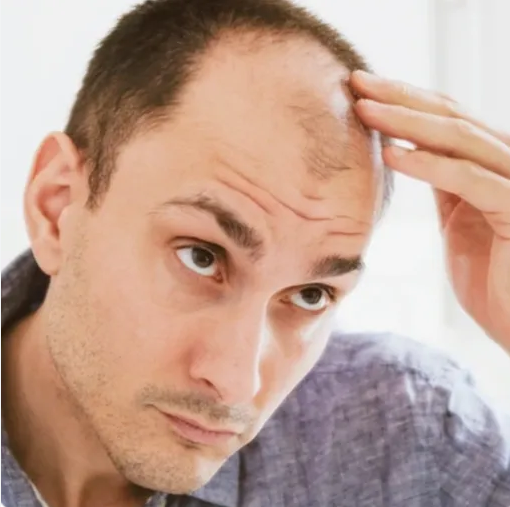
The question does creatine cause hair loss has become one of the most searched concerns among fitness enthusiasts, athletes, and beginners alike. As creatine continues to dominate the supplement world due to its proven benefits for muscle growth and performance, many people hesitate before using it because of rumors linking it to hair thinning or baldness.
This fear is understandable. Hair plays a significant role in confidence and self-image, and no one wants to risk losing it for the sake of better gym performance. However, the internet is filled with mixed opinions, half-truths, and outdated interpretations of research.
In this detailed guide, we’ll explore the science, break down the myths, and help you understand whether creatine truly has any connection to hair loss. By the end, you’ll have a clear, evidence-based answer and the confidence to make the right decision for your health and fitness journey.
Understanding Creatine: What It Is and How It Works
Creatine is a naturally occurring compound found in your muscles and brain. It is made from amino acids and plays a key role in producing energy, especially during high-intensity exercise like weightlifting or sprinting.
When you take creatine as a supplement, it increases your body’s stores of phosphocreatine. This helps regenerate ATP (adenosine triphosphate), which is the primary energy currency of your cells. The result is improved strength, enhanced endurance, and faster recovery.
Because of these benefits, creatine has become one of the most widely used and researched supplements in the world. It is commonly used by athletes, bodybuilders, and even people looking to improve cognitive performance.
Despite its strong safety profile, the question still lingers: does creatine cause hair loss or is this concern exaggerated?
The Science of Hair Loss: A Simple Explanation
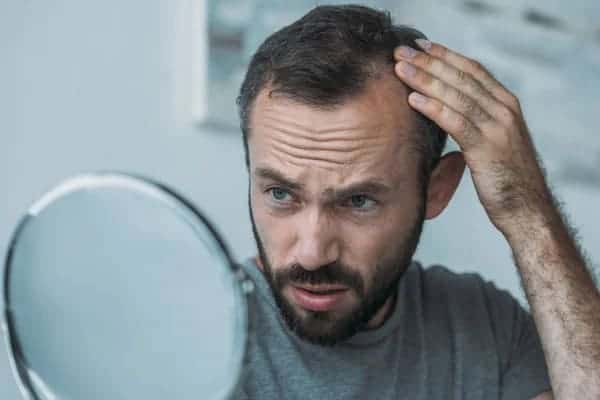
Hair loss, particularly pattern baldness, is not a random process. It is influenced by a combination of genetics, hormones, and age. The most common form of hair loss is androgenetic alopecia, which affects both men and women.
At the center of this condition is a hormone called dihydrotestosterone (DHT). DHT is derived from testosterone through the action of an enzyme called 5-alpha reductase. In people who are genetically sensitive to DHT, this hormone binds to hair follicles and gradually shrinks them.
Over time, the affected follicles produce thinner and shorter hair until they eventually stop producing hair altogether. This is why hair loss often follows a predictable pattern.
Understanding this mechanism is crucial when evaluating the claim: does creatine cause hair loss through hormonal changes.
Where Did the Creatine and Hair Loss Myth Start?
The concern about creatine and hair loss can be traced back to a small study conducted in 2009. This study involved rugby players who supplemented with creatine over a short period.
The results showed an increase in DHT levels among participants. This finding quickly gained attention and led to widespread speculation that creatine could accelerate hair loss.
However, there are several important limitations to this study. First, it had a small sample size, which makes it less reliable. Second, it did not measure actual hair loss—only hormone levels. Third, the increase in DHT was within normal physiological ranges.
Despite these limitations, the study sparked a long-lasting debate, leading many to repeatedly ask: does creatine cause hair loss in real-life situations?
What Modern Research Says About Creatine and Hair Loss
Since the 2009 study, numerous researchers have examined creatine’s effects on the body. While many studies confirm its benefits for strength and performance, very few focus specifically on hair loss.
Importantly, no large-scale or long-term study has directly linked creatine use to hair loss. This means there is currently no scientific evidence proving that creatine causes baldness.
Even the observed increase in DHT from the original study has not been consistently replicated. Some studies show no significant hormonal changes at all.
This makes it clear that the connection between creatine and hair loss is not well-established. The question does creatine cause hair loss remains largely theoretical rather than evidence-based.
Does an Increase in DHT Automatically Mean Hair Loss?
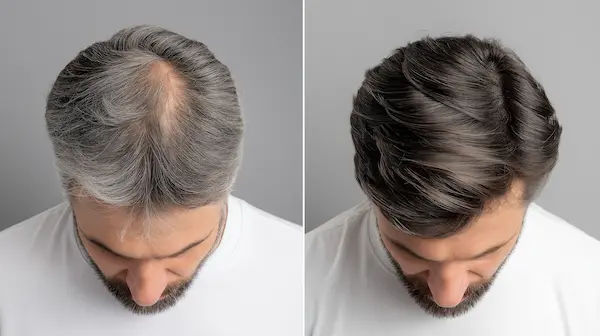
One of the biggest misconceptions is that any increase in DHT will lead to hair loss. This is not true.
Hair loss depends on how sensitive your hair follicles are to DHT, not just the amount of DHT in your body. Two people can have similar hormone levels, but only one may experience hair thinning due to genetic differences.
This means that even if creatine slightly increases DHT levels, it does not guarantee hair loss. For individuals without a genetic predisposition, the impact is likely negligible.
So when evaluating the concern does creatine cause hair loss, it’s important to consider individual differences rather than assuming a universal effect.
The Role of Genetics in Hair Loss
Genetics is the most important factor in determining whether you will experience hair loss. If your parents or grandparents had pattern baldness, you are more likely to develop it as well.
This genetic predisposition determines how your hair follicles respond to DHT. In sensitive individuals, even normal hormone levels can trigger hair thinning.
Because of this, creatine is often wrongly blamed for hair loss that would have occurred anyway. The timing of supplementation may coincide with the natural onset of hair thinning, leading to confusion.
Understanding this helps clarify why the question does creatine cause hair loss is often misunderstood.
Other Factors That Affect Hair Health
Hair health is influenced by many factors beyond supplements. Nutrition plays a critical role, as deficiencies in vitamins and minerals can weaken hair and lead to shedding.
Stress is another major factor. Chronic stress can disrupt the hair growth cycle and cause temporary hair loss. Poor sleep, hormonal imbalances, and scalp conditions can also contribute.
When these factors are not addressed, hair loss may occur regardless of creatine use. This makes it essential to look at the bigger picture instead of focusing solely on one supplement.
Table: Key Differences Between Creatine Impact and Real Hair Loss Causes
| Factor | Creatine Influence | Proven Hair Loss Cause |
|---|---|---|
| DHT Levels | Slight/uncertain | Strong link |
| Genetics | No effect | Primary factor |
| Nutritional Deficiency | No effect | Common cause |
| Stress | No effect | Significant trigger |
| Hormonal Imbalance | Minimal impact | Major contributor |
| Direct Hair Loss Evidence | None | Well-documented |
This comparison highlights that creatine plays a minimal role compared to other well-established causes of hair loss.
Psychological Impact of Hair Loss Concerns
The fear of hair loss can sometimes be more powerful than the actual risk. Many people become overly cautious and avoid beneficial supplements due to anxiety rather than evidence.
This psychological effect can lead to unnecessary stress, which ironically can contribute to hair loss itself. It’s important to base decisions on scientific facts rather than fear.
When people repeatedly search does creatine cause hair loss, they often encounter conflicting information, which adds to the confusion.
Should You Be Concerned About Creatine Use?
For the vast majority of people, creatine is safe and effective. It has been extensively studied and is widely recommended by health and fitness professionals.
If you do not have a strong genetic predisposition to hair loss, the likelihood of experiencing hair thinning due to creatine is extremely low.
Even for those who are genetically prone, there is no clear evidence that creatine significantly accelerates hair loss. Monitoring your body’s response is always a good practice, but there is no need for immediate concern.
Practical Advice for Protecting Hair While Using Creatine
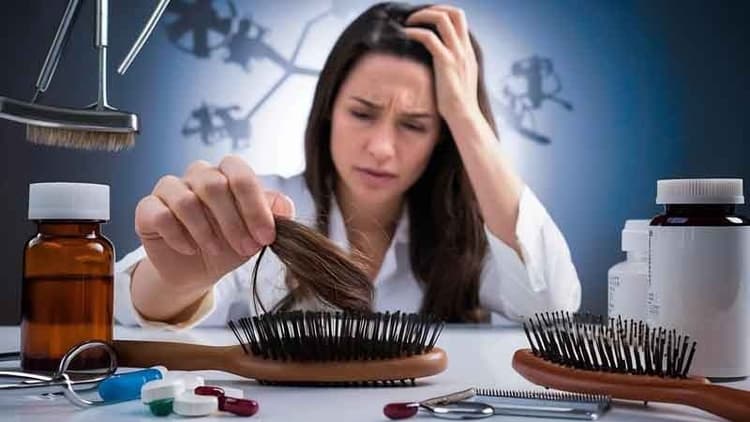
If you want to be cautious while using creatine, focus on overall hair health. Maintain a balanced diet rich in protein, vitamins, and minerals. Ensure you are getting enough sleep and managing stress effectively.
Using gentle hair care products and avoiding excessive heat styling can also help maintain healthy hair. Staying hydrated and maintaining good scalp hygiene are equally important.
These habits will have a far greater impact on your hair than worrying about whether does creatine cause hair loss.
Does creatine cause hair loss?
There is no scientific proof that creatine directly causes hair loss. Any potential link is based on limited evidence and is not confirmed by research.
FAQs
Does creatine cause permanent hair loss?
No, there is no evidence suggesting that creatine leads to permanent hair loss. Most concerns are based on theoretical links rather than proven effects.
Can creatine increase DHT levels?
Some studies suggest a slight increase, but results are inconsistent and not conclusive.
Is creatine safe for people with thinning hair?
Yes, in most cases. However, individuals with genetic hair loss may want to monitor changes.
Should I stop creatine if I notice hair shedding?
If you observe unusual shedding, consult a healthcare professional before making decisions.
Are there alternatives to creatine?
Yes, but creatine remains one of the most effective and well-researched supplements available.
Conclusion: What You Should Do Next
The debate around creatine and hair loss is largely driven by a single study and amplified by online speculation. While it raised an interesting question, it did not provide conclusive evidence.
So, does creatine cause hair loss? Based on current research, the answer is no—there is no direct proof that it does. Hair loss is primarily influenced by genetics, hormones, and lifestyle factors.
If you’re considering creatine, focus on its proven benefits rather than unverified risks. Maintain a healthy lifestyle, monitor your body’s response, and consult a professional if needed.
The key is to make informed decisions based on evidence, not fear. Creatine can be a valuable addition to your fitness routine, and for most people, it poses no risk to hair health.