

Introduction
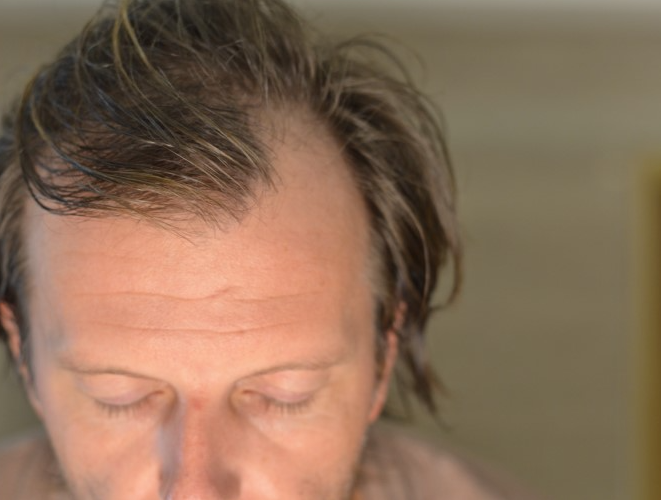
Hair is often seen as a reflection of overall health, vitality, and even confidence. When it begins to thin or fall out, it can trigger concern, anxiety, and a deep desire to understand the underlying causes. While genetics and hormones are widely recognized contributors to hair loss, lifestyle choices are equally powerful—and often underestimated. Among these, smoking is one of the most damaging habits, not just for internal organs but also for hair health.
Many people ask, does smoking cause hair loss, especially when they begin noticing increased shedding or reduced hair volume. This question is important because it connects a common habit with a visible and often distressing consequence. In this detailed guide, we will explore the relationship between smoking and hair health in depth, uncovering the biological mechanisms, long-term effects, and ways to reverse the damage.
Understanding Hair Growth and Why It Matters

Hair growth is not a random process—it is highly structured and influenced by multiple internal factors. Each strand of hair originates from a follicle located beneath the scalp. These follicles are living structures that require nutrients, oxygen, and hormonal balance to function effectively.
The Hair Growth Cycle Explained
Hair grows in three main phases that repeat continuously throughout life.
The first phase, known as the anagen phase, is the active growth stage. During this time, hair cells divide rapidly, and the strand continues to grow longer. This phase can last several years, depending on genetics and overall health.
The second phase is the catagen phase, which is a brief transitional period. Growth slows down, and the follicle begins to shrink. This stage typically lasts a few weeks.
The final phase is the telogen phase, where the hair rests before eventually shedding. Once the hair falls out, the follicle re-enters the anagen phase and begins producing new hair.
Any disruption in this cycle can lead to thinning, slower growth, or excessive shedding. This is where lifestyle factors such as smoking come into play.
What Happens Inside Your Body When You Smoke
Smoking introduces thousands of harmful chemicals into the body, including nicotine, carbon monoxide, and various toxins. These substances travel through the bloodstream and affect nearly every system, including the skin and scalp.
One of the most immediate effects of smoking is the narrowing of blood vessels. This reduces blood flow throughout the body, including to the scalp. Since hair follicles depend on a steady supply of oxygen and nutrients, reduced circulation can weaken their function over time.
Smoking also increases oxidative stress, which refers to an imbalance between free radicals and antioxidants in the body. Free radicals are unstable molecules that damage cells, including those responsible for hair growth.
Another significant impact is inflammation. Chronic exposure to tobacco smoke can trigger low-grade inflammation in the body, which can disrupt normal cellular processes and contribute to hair loss.
Given these effects, it becomes easier to understand why people often wonder, does smoking cause hair loss, and whether quitting could improve their condition.
Does Smoking Cause Hair Loss? The Scientific Perspective
Scientific research has increasingly pointed toward a strong link between smoking and hair loss. While smoking may not be the sole cause of hair thinning, it acts as a powerful contributing factor that accelerates existing conditions.
Studies have shown that smokers are more likely to experience androgenetic alopecia, commonly known as pattern baldness. The severity of hair loss often correlates with the number of cigarettes smoked daily and the duration of the habit.
So, when we ask, does smoking cause hair loss, the answer is not just theoretical—it is supported by growing scientific evidence. Smoking affects hair at both the surface and cellular levels, making it a significant risk factor.
How Smoking Affects Hair Follicles in Detail
The damage caused by smoking is not limited to one mechanism. Instead, it impacts hair health through multiple interconnected pathways.
Reduced Blood Circulation to the Scalp
Hair follicles require a constant supply of oxygen-rich blood to remain healthy. Smoking constricts blood vessels, reducing the amount of oxygen that reaches the scalp. Over time, this leads to weaker follicles and slower hair growth.
Oxidative Stress and Cellular Damage
Free radicals generated by smoking attack the cells within hair follicles. This can lead to premature aging of these cells, reducing their ability to produce strong and healthy hair strands.
Hormonal Imbalance and DHT Sensitivity
Hormones play a crucial role in hair growth, particularly dihydrotestosterone (DHT). Smoking may increase the sensitivity of hair follicles to DHT, accelerating the process of hair miniaturization—a key factor in pattern baldness.
Damage to DNA in Hair Cells
The toxins in cigarette smoke can damage the DNA within hair follicle cells. This disrupts normal cell division and hair production, leading to increased shedding and slower regrowth.
Comparison Table: Hair Health in Smokers vs Non-Smokers
| Aspect | Smokers | Non-Smokers |
|---|---|---|
| Blood flow to scalp | Restricted | Optimal |
| Oxygen supply | Low | Adequate |
| Hair strength | Fragile and brittle | Strong and resilient |
| Growth rate | Slower | Consistent |
| Hair fall risk | Higher | Lower |
| Scalp condition | Inflamed or irritated | Balanced and healthy |
Gender Differences in Smoking-Related Hair Loss

Hair loss manifests differently in men and women, and smoking can influence both in unique ways.
In men, smoking tends to accelerate male pattern baldness. Receding hairlines and thinning at the crown may appear earlier than expected. The progression of hair loss can also be more aggressive.
In women, smoking often leads to diffuse thinning across the scalp rather than distinct bald patches. Hair may lose volume, become dull, and shed more frequently.
These differences highlight that the question does smoking cause hair loss applies universally, but its effects vary depending on gender and hormonal factors.
Nicotine and Its Direct Role in Hair Damage
Nicotine is one of the most active compounds in cigarettes and plays a major role in hair damage. It constricts blood vessels, limiting nutrient delivery to hair follicles. It also interferes with the absorption of essential vitamins and minerals needed for hair growth.
Additionally, nicotine can disrupt the natural balance of proteins in the body. Since hair is primarily made of keratin, a protein, any disruption in protein synthesis can weaken hair structure.
Smoking and Premature Aging of Hair
Smoking doesn’t just cause hair loss—it also accelerates aging. This includes premature graying, dryness, and loss of shine.
Melanin, the pigment responsible for hair color, is affected by oxidative stress. When melanin-producing cells are damaged, hair begins to turn gray earlier than usual. Smokers are significantly more likely to experience early graying compared to non-smokers.
Can Hair Loss from Smoking Be Reversed?
One of the most encouraging aspects of this issue is that some of the damage caused by smoking can be reversed. The body has a remarkable ability to heal, especially when harmful habits are eliminated.
When a person quits smoking, blood circulation begins to improve within weeks. Oxygen levels increase, and the scalp receives better nourishment. Over time, hair follicles may regain their strength and begin producing healthier strands.
However, the extent of recovery depends on how long the person has been smoking and the severity of the damage. If follicles have been permanently damaged, regrowth may be limited.
Lifestyle Changes to Support Hair Recovery
Improving hair health after quitting smoking requires a holistic approach. Diet, hydration, and stress management all play important roles.
A nutrient-rich diet that includes proteins, vitamins, and minerals can support hair growth. Foods such as eggs, nuts, leafy greens, and fruits provide essential nutrients that strengthen hair from within.
Hydration is equally important. Water helps transport nutrients to hair follicles and keeps the scalp healthy.
Stress management is another key factor. Chronic stress can exacerbate hair loss, so practices like yoga, meditation, or regular exercise can be beneficial.
Signs That Smoking Is Affecting Your Hair
Recognizing early signs can help you take action before the damage becomes severe.
You may notice increased hair shedding during washing or brushing. Hair may appear thinner and lack volume. The texture might become dry and brittle, and growth may slow down significantly.
If these changes occur alongside a smoking habit, it strengthens the likelihood that smoking is contributing to the problem.
Does Smoking Cause Hair Loss in Younger Individuals?
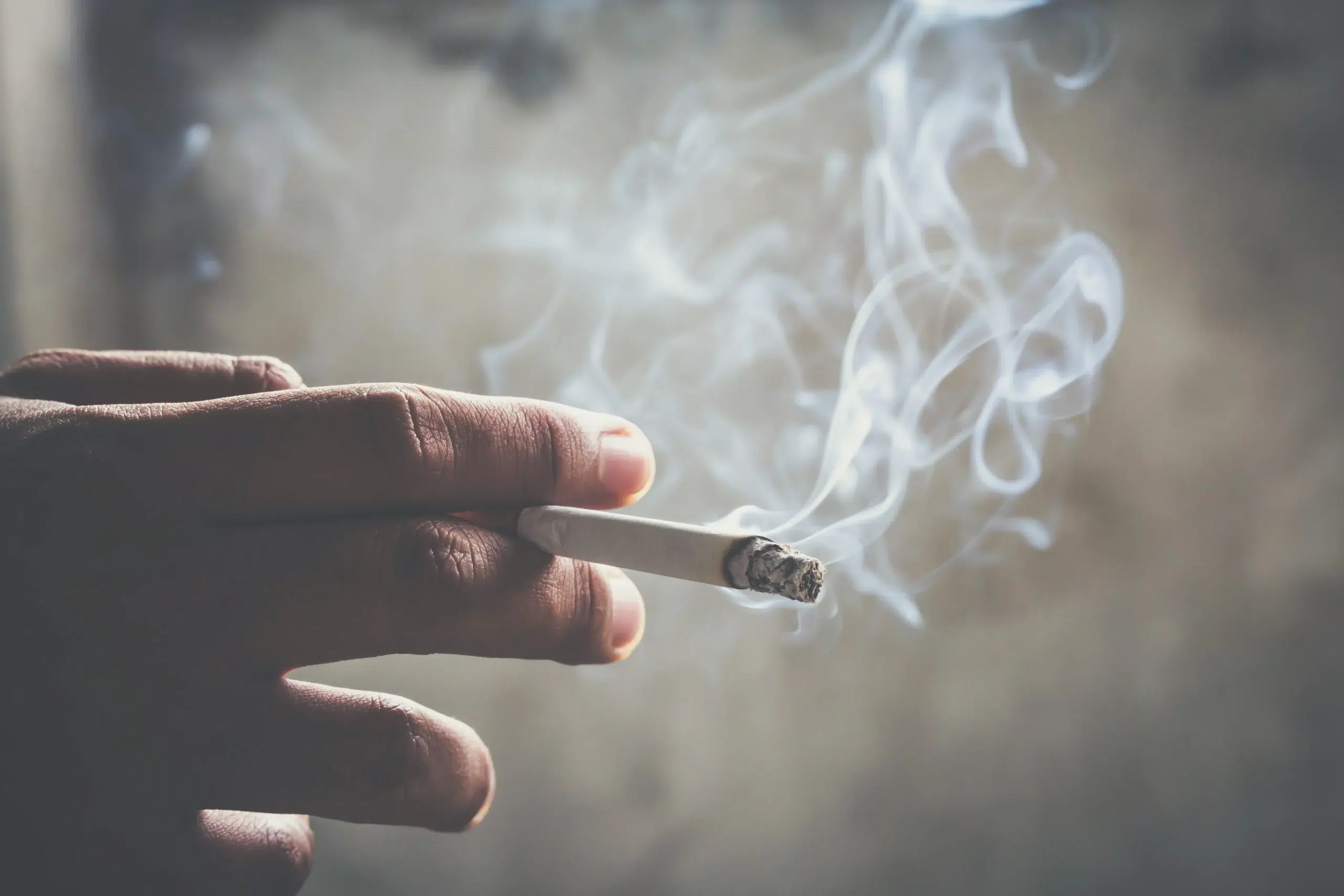
Age is no barrier when it comes to the effects of smoking. Young people who smoke may begin to notice hair thinning much earlier than expected.
Early exposure to toxins can weaken hair follicles before they reach their full potential. This can result in premature thinning, reduced density, and even early onset of pattern baldness.
Once again, the question does smoking cause hair loss becomes especially relevant for younger individuals who may not yet be considering long-term health consequences.
Key Insights at a Glance
- Smoking reduces blood flow and oxygen to the scalp
- It increases oxidative stress and damages hair follicles
- Hair becomes weaker, thinner, and more prone to shedding
- Quitting smoking can improve hair health over time
FAQs
Does smoking cause hair loss permanently?
Not always. If the damage is caught early, quitting smoking can allow hair follicles to recover. However, long-term smoking may lead to permanent damage.
How quickly does smoking affect hair health?
The effects can begin within months, especially with heavy smoking, though visible hair loss may take longer to appear.
Can secondhand smoke cause hair loss?
Yes, exposure to secondhand smoke can also introduce toxins into the body and negatively impact hair health.
Is hair regrowth possible after quitting smoking?
In many cases, yes. Improved circulation and reduced toxin exposure can support regrowth over time.
Does smoking cause hair loss more than genetics?
Genetics remains the primary factor, but smoking can significantly accelerate and worsen genetically predisposed hair loss.
Conclusion: Take Charge of Your Hair and Health
By now, it’s clear that the answer to does smoking cause hair loss is firmly rooted in science and real-world evidence. Smoking affects hair health through multiple pathways, from reduced blood flow to oxidative stress and hormonal imbalances.
The good news is that this is a controllable factor. Unlike genetics, smoking is a habit that can be changed. By quitting smoking and adopting healthier lifestyle choices, you can significantly improve not only your hair but your overall well-being.
If you’re concerned about hair loss, consider evaluating your habits and making gradual, sustainable changes. Your hair is not just a cosmetic feature—it’s a reflection of your internal health. Taking care of it begins with taking care of yourself.
Read More:-Hidden Truths About Dandruff and Its Impact on Hair Health Today!