

Introduction
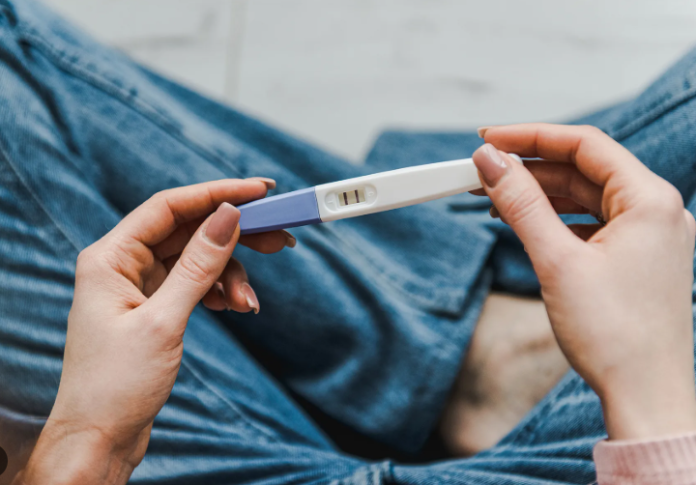
Pregnancy is often a time filled with hope, excitement, and anticipation. However, not every pregnancy progresses as expected. One type of very early pregnancy loss that many women may experience is called a chemical pregnancy. While the term might sound clinical or alarming, a chemical pregnancy is essentially an early miscarriage that occurs before most women even realize they are pregnant.
It happens shortly after implantation, usually within the first five weeks, and is detectable only through sensitive pregnancy tests that measure the hormone hCG. Understanding what a chemical pregnancy is can help women make sense of unexpected test results, recognize subtle symptoms, and approach the situation with knowledge rather than fear or guilt. Though it can be emotionally challenging, learning about its causes, signs, and implications provides reassurance that experiencing a chemical pregnancy does not mean future pregnancies will be unsuccessful.
What Is a Chemical Pregnancy?
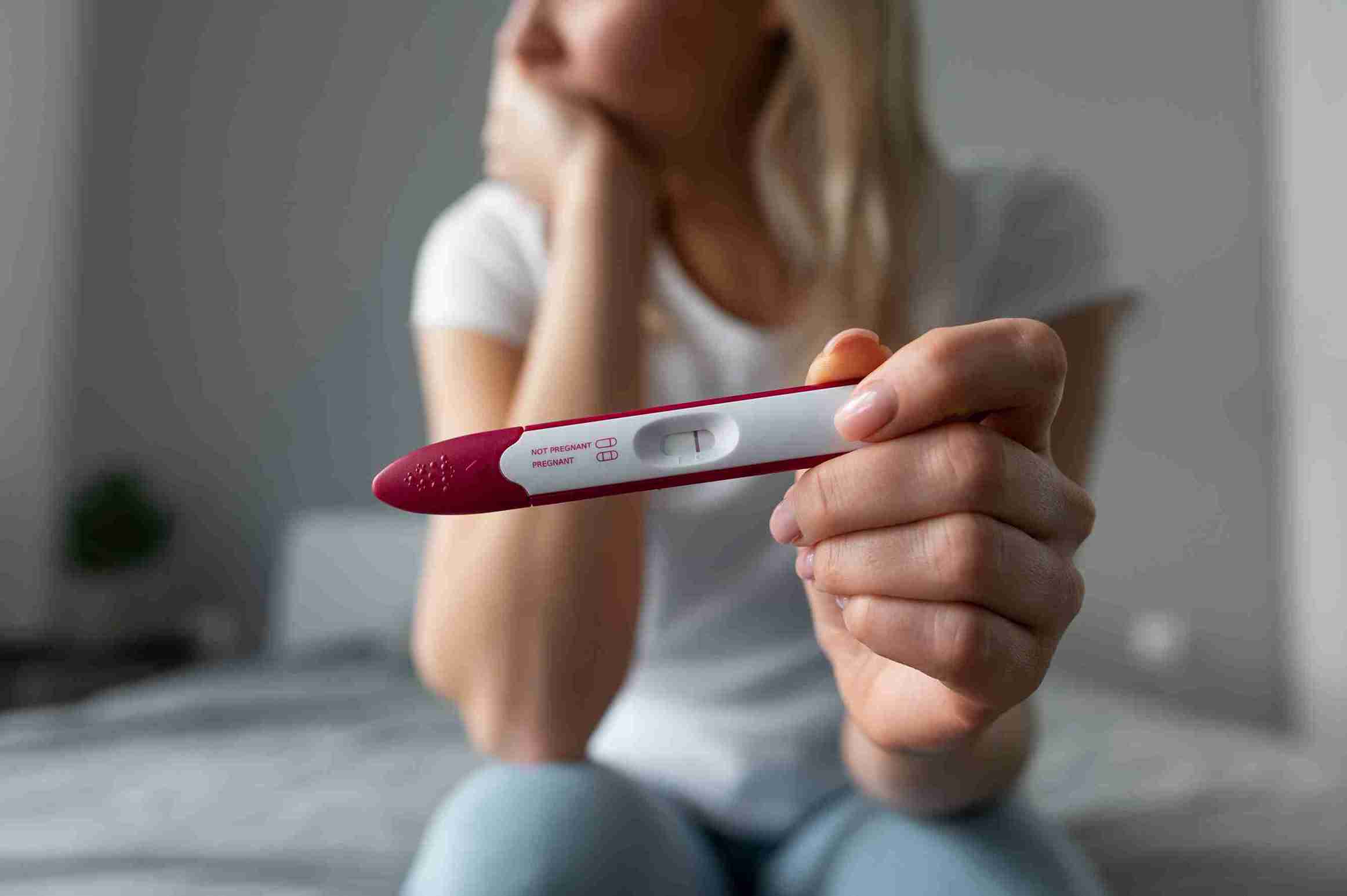
A chemical pregnancy is an early pregnancy loss that occurs shortly after implantation, usually within the first five weeks. The term “chemical” refers to the fact that the pregnancy is detectable only through tests measuring hCG (human chorionic gonadotropin). At this stage, the pregnancy is too early to appear on an ultrasound.
Understanding what is a chemical pregnancy can be reassuring because it clarifies why some positive pregnancy tests are followed by bleeding that looks like a period. Many women experience chemical pregnancies without even knowing it, as it often mimics a slightly early or heavier period.
How Common Are Chemical Pregnancies?
Chemical pregnancies are more frequent than many realize. Research indicates that up to 50–75% of all miscarriages occur very early, often as chemical pregnancies. Most of these cases go unnoticed because early pregnancy tests weren’t sensitive enough to detect low hCG levels.
| Factor | Likelihood of Chemical Pregnancy | Notes |
|---|---|---|
| Women under 35 | 10–15% | Lower risk compared to older women |
| Women over 35 | 20–25% | Risk increases due to egg quality |
| IVF pregnancies | 15–20% | Detected early due to sensitive hCG testing |
| Undetected cases | Up to 50% | Many pregnancies end before a positive test |
Knowing the prevalence can help normalize the experience and reduce emotional stress for women experiencing early pregnancy loss.
Chemical Pregnancy Causes
Understanding what is a chemical pregnancy starts with exploring its causes. While some factors are unavoidable, knowing them can help women prepare emotionally and physically for future pregnancies.
Chromosomal Abnormalities
Most chemical pregnancies occur due to chromosomal irregularities. When the egg and sperm combine, an abnormal number or structure of chromosomes may prevent proper embryo development, leading to early pregnancy loss.
Hormonal Imbalances
Hormonal levels are crucial for a successful pregnancy. Low progesterone or thyroid irregularities can prevent implantation or early embryo growth. Women with conditions such as PCOS are at higher risk.
Uterine or Endometrial Issues
A healthy uterine lining is essential. Problems such as fibroids, polyps, scarring, or a thin endometrium may interfere with implantation, increasing the risk of chemical pregnancy.
Lifestyle and Environmental Factors
High stress, smoking, alcohol, recreational drugs, and exposure to toxins can contribute to early pregnancy loss. While most chemical pregnancies are caused by biological factors, lifestyle can play a supporting role.
Immune Responses and Infections
In some cases, an overactive immune system or uterine infections may disrupt early embryo development, though these causes are less common.
Symptoms of a Chemical Pregnancy
Recognizing chemical pregnancy symptoms can help women understand early pregnancy loss. Common signs include:
- Light bleeding or spotting slightly earlier than expected
- Mild cramping similar to menstrual cramps
- Positive pregnancy test followed by a negative result
- Temporary breast tenderness, mood swings, or fatigue
Some women experience no noticeable symptoms and only discover a chemical pregnancy through routine testing.
Diagnosis of Chemical Pregnancy

Knowing what is a chemical pregnancy involves proper diagnosis. Tests typically include:
Blood Tests
hCG levels indicate whether a pregnancy is developing. In chemical pregnancies, initial hCG may rise but then drop, signaling early pregnancy loss. Repeated testing confirms the pattern.
Urine Pregnancy Tests
Home tests may show a positive result initially, followed by a negative test, indicating a chemical pregnancy.
Ultrasound
Ultrasounds are usually performed after the 5th week. In a chemical pregnancy, no gestational sac or embryo is visible.
Chemical Pregnancy vs Miscarriage
Understanding chemical pregnancy vs miscarriage is important:
| Feature | Chemical Pregnancy | Miscarriage |
|---|---|---|
| Timing | Before 5 weeks | Usually 6–20 weeks |
| Detection | hCG test only | Ultrasound confirmation |
| Cause | Chromosomal or implantation issues | Broader causes, including maternal health |
| Symptoms | Light bleeding or none | Heavier bleeding, cramping, tissue passage |
Chemical pregnancies are technically early miscarriages, but they occur so early that many women never notice them.
Emotional Impact of Chemical Pregnancy
Even early pregnancy loss can have emotional consequences. Women may feel:
- Sadness or grief, even if the pregnancy lasted only a few days
- Guilt or self-blame, though most causes are random
- Anxiety about future pregnancies
Support from friends, family, healthcare providers, or support groups can help process these feelings.
Treatment and Recovery
Most chemical pregnancies resolve naturally. Treatment focuses on ensuring the body returns to its baseline and supporting emotional recovery.
Natural Resolution
The body expels pregnancy tissue naturally, often resembling a normal period.
Medical Management
In rare cases, medication may help ensure the pregnancy tissue is fully expelled.
Monitoring hCG Levels
Doctors may monitor hCG until it returns to baseline. This helps confirm that the chemical pregnancy has fully resolved.
Women who experience chemical pregnancies usually maintain full fertility and can have successful future pregnancies.
Preventing Chemical Pregnancies
While not always preventable, steps to reduce risk include:
- Maintaining hormonal balance and regular medical check-ups
- Eating a healthy diet and maintaining a healthy weight
- Managing stress through meditation, therapy, or exercise
- Avoiding smoking, alcohol, and recreational drugs
Even with these precautions, most chemical pregnancies result from natural biological causes.
When to Seek Medical Advice
Seek medical attention if you experience:
- Heavy bleeding or severe pain
- Fever or unusual discharge
- Multiple early losses
- Emotional distress affecting daily life
Early consultation ensures safety, proper management, and reassurance for future pregnancies.
Frequently Asked Questions (FAQ)
Q1: Can I get pregnant again after a chemical pregnancy?
Yes. Most women go on to have successful pregnancies. One chemical pregnancy usually does not affect fertility.
Q2: How long does it take for hCG levels to return to normal?
Typically, 1–2 weeks. Timing varies based on individual physiology.
Q3: Can chemical pregnancies be prevented?
Not always, but maintaining good health and monitoring hormonal balance can help reduce risk.
Q4: Are there early signs of a chemical pregnancy?
Some signs overlap with early menstruation: light bleeding, mild cramps, or temporary breast tenderness.
Q5: Should I see a doctor after one chemical pregnancy?
Yes, particularly if early losses are recurrent. Doctors can assess fertility, hormone levels, and uterine health.
Emotional Recovery Tips
Recovering from a chemical pregnancy involves addressing both physical and emotional health:
- Acknowledge and process your feelings
- Seek support from friends, family, or support groups
- Consider counseling if recurring loss causes anxiety
- Focus on self-care: rest, proper nutrition, gentle exercise
Key Takeaways
- A chemical pregnancy is an early pregnancy loss, typically before five weeks.
- Causes include chromosomal abnormalities, hormonal imbalances, uterine issues, and lifestyle factors.
- Symptoms may mimic a normal period or be subtle.
- Diagnosis relies on hCG tests and sometimes ultrasound.
- Most chemical pregnancies resolve naturally and do not affect future fertility.
- Emotional support and self-care are critical for recovery.
Conclusion
Experiencing a chemical pregnancy can be emotionally difficult, even though it occurs very early in pregnancy. Understanding what is a chemical pregnancy helps women separate fact from fear and gain perspective on their reproductive health. Most chemical pregnancies are caused by natural biological factors such as chromosomal abnormalities or hormonal imbalances and do not affect long-term fertility.
With what is a chemical pregnancy is proper emotional support, self-care, and medical guidance when needed, women can process the loss and feel confident about trying for future pregnancies. Knowledge about early pregnancy loss empowers women to respond with compassion for themselves, seek appropriate care when necessary, and maintain hope for healthy pregnancies ahead.
Experiencing a chemical pregnancy does not define your ability to have a healthy, full-term pregnancy in the future.
Read More:-The Complete Guide on Maximum Days Needed to Confirm Pregnancy