
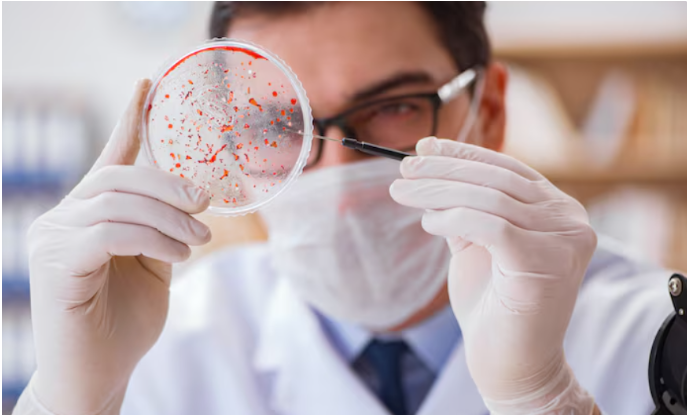

Fungal infections are more common than many people realize. They can affect the skin, nails, lungs, and even internal organs in some cases. While many fungal infections start as mild problems, they can become serious if they are not detected and treated on time. This is why a timely and accurate diagnostic for fungal infections plays an important role in protecting overall health. It helps identify the infection early, guides proper treatment, and prevents complications that may develop if the condition is ignored.
Importance of Early Detection in Fungal Infections
Early detection is one of the most important steps in managing fungal infections. In many cases, symptoms such as itching, redness, or mild irritation may seem harmless at first. However, these signs can slowly worsen if the infection spreads. A proper diagnostic for fungal infections helps confirm whether the symptoms are actually caused by a fungus or another condition.
Without accurate testing, people may delay treatment or use incorrect medications, which can make the infection harder to control. Early diagnosis ensures that the right treatment begins at the right time, reducing the risk of long-term health problems.
How a Diagnostic for Fungal Infections Works
A diagnostic for fungal infections is usually done through simple medical tests that help identify the presence and type of fungus. Doctors may take a small sample from the affected area, such as skin scrapings, nail clippings, or fluid samples, depending on the location of the infection. In some cases, blood tests or imaging may be required if the infection is more serious or internal.
Once the sample is collected, it is examined in a laboratory to detect fungal growth. This process helps healthcare professionals understand exactly what type of fungus is causing the problem. With this information, they can choose the most effective treatment plan for the patient.
Preventing Serious Health Issues Through Proper Diagnosis
One of the biggest benefits of a diagnostic for fungal infections is that it helps prevent serious health issues. When fungal infections are not treated properly, they can spread to other parts of the body and become more difficult to manage. In people with weaker immune systems, such as older adults or those with chronic illnesses, the risk of complications is even higher.
Accurate diagnosis ensures that treatment targets the specific fungus causing the infection. This reduces the chances of recurrence and prevents the infection from becoming chronic. It also helps avoid unnecessary use of medications that may not be effective, saving time and reducing health risks.
When You Should Consider Getting Tested
It is important to consider a diagnostic for fungal infections if symptoms persist for a long time or continue to worsen despite basic treatment. Common signs that should not be ignored include persistent skin irritation, unusual nail changes, long-lasting itching, or respiratory issues that do not improve.
People who have diabetes, weakened immunity, or frequent exposure to moist environments should be especially careful. In such cases, early testing can make a significant difference in preventing complications.
Conclusion
A diagnostic for fungal infections is a vital step in identifying and treating fungal problems before they become serious. It helps detect infections early, ensures accurate treatment, and reduces the risk of complications that can affect long-term health. By paying attention to symptoms and seeking proper medical testing when needed, individuals can protect themselves from more serious health issues and maintain better overall well-being.