

Introduction
Hair loss is a concern that affects people of all ages, and while it’s often blamed on genetics or stress, nutrition plays a powerful and sometimes underestimated role. One of the most frequently asked questions is which vitamin deficiency causes hair loss, especially among individuals experiencing unexplained thinning or excessive shedding.
Hair is not just a cosmetic feature—it is a reflection of your internal health. Your body requires a steady supply of nutrients to maintain the natural hair growth cycle. When essential vitamins are lacking, the body diverts resources to more critical functions, leaving your hair follicles undernourished.
This article explores the connection between vitamin deficiencies and hair loss in depth. It explains how different vitamins impact hair health, the symptoms of deficiencies, and the steps you can take to restore balance and encourage healthy growth.
How Hair Growth Works and Why Nutrition Matters
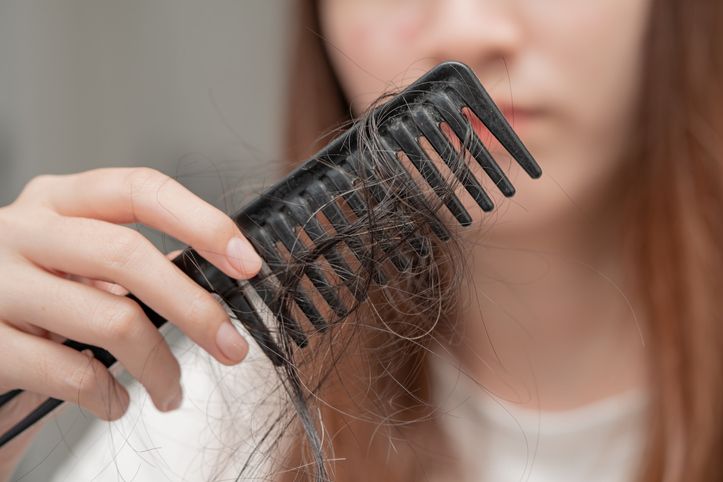
Hair growth follows a structured cycle that includes growth, transition, and shedding phases. Each of these stages relies on proper nutrition. Vitamins support cellular turnover, oxygen delivery, and scalp health—all crucial for maintaining thick, strong hair.
When the body lacks nutrients, the growth phase shortens, and more hair enters the resting phase. This results in noticeable hair fall over time. Understanding which vitamin deficiency causes hair loss becomes essential because correcting these deficiencies can often reverse the condition naturally.
Nutritional deficiencies do not always show immediate symptoms. In many cases, hair loss may be the first visible sign that your body is lacking something important.
The Link Between Vitamin Deficiencies and Hair Loss
Hair follicles are among the fastest-growing cells in the body, which makes them highly sensitive to nutritional imbalances. Vitamins act as catalysts for essential biochemical reactions that support hair growth.
A deficiency in key vitamins can disrupt:
- Blood circulation to the scalp
- Keratin production
- Hormonal balance
- Follicle strength and resilience
If you are trying to understand which vitamin deficiency causes hair loss, it is important to know that multiple vitamins contribute to hair health, and even a mild imbalance can trigger noticeable shedding.
Vitamin D and Its Impact on Hair Follicles
Why Vitamin D Is Important
Vitamin D plays a significant role in stimulating hair follicles and supporting new hair growth. It helps create new follicles and maintains the health of existing ones.
Effects of Deficiency
When Vitamin D levels are low, hair follicles may become dormant. This leads to reduced hair growth and increased shedding over time.
People who spend little time in sunlight or have darker skin tones are more prone to deficiency. Many individuals researching which vitamin deficiency causes hair loss often find Vitamin D deficiency to be a leading cause.
Vitamin B12 and Oxygen Supply to Hair Roots
Role of Vitamin B12
Vitamin B12 is crucial for producing red blood cells, which carry oxygen to various parts of the body, including the scalp.
Deficiency Symptoms
A lack of Vitamin B12 can result in poor oxygen supply to hair follicles, weakening them and causing hair to fall out more easily.
This deficiency is especially common among vegetarians and vegans, making it an important factor when considering which vitamin deficiency causes hair loss in different dietary groups.
Biotin (Vitamin B7) and Hair Structure
Importance of Biotin
Biotin supports keratin production, which is the primary protein that makes up hair.
What Happens When You Lack Biotin
A deficiency can lead to brittle hair, slow growth, and increased breakage. While severe deficiency is rare, even low levels can affect hair quality.
Biotin is often marketed as a hair growth supplement, and it frequently comes up in discussions about which vitamin deficiency causes hair loss, particularly in the beauty and wellness industry.
Vitamin A: Balance Is Key
Function in Hair Health
Vitamin A helps the scalp produce sebum, a natural oil that keeps hair moisturized and healthy.
Too Much vs Too Little
Both deficiency and excess can cause hair problems. Too little leads to dryness, while too much can trigger hair loss.
This dual effect makes Vitamin A unique when evaluating which vitamin deficiency causes hair loss, as balance is more important than quantity.
Vitamin E and Scalp Circulation
Why Vitamin E Matters
Vitamin E is known for its antioxidant properties. It protects hair follicles from oxidative stress and improves blood circulation in the scalp.
Signs of Deficiency
Low levels can lead to dull, weak hair that is more prone to breakage.
Although not always the primary cause, it still plays a supporting role in understanding which vitamin deficiency causes hair loss and overall scalp health.
Vitamin C and Collagen Production
Role in Hair Strength
Vitamin C helps produce collagen, which strengthens hair strands and prevents breakage.
Additional Benefits
It also aids in iron absorption, indirectly supporting hair growth.
A deficiency can weaken hair structure, making it an important factor when identifying which vitamin deficiency causes hair loss in combination with other nutrient gaps.
Table: Key Vitamins and Their Effects on Hair Health
| Vitamin | Role in Hair Growth | Deficiency Effects | Food Sources |
|---|---|---|---|
| Vitamin D | Stimulates follicles | Hair thinning | Sunlight, fortified milk |
| Vitamin B12 | Supports oxygen delivery | Hair fall, fatigue | Eggs, dairy, meat |
| Biotin (B7) | Strengthens hair structure | Brittle hair | Nuts, seeds |
| Vitamin A | Produces scalp oils | Dry scalp or hair loss | Carrots, spinach |
| Vitamin E | Improves circulation | Weak hair | Almonds, sunflower seeds |
| Vitamin C | Collagen production | Breakage, weak strands | Citrus fruits |
Common Signs of Vitamin Deficiency Hair Loss
Hair loss caused by vitamin deficiency often develops gradually. Some common signs include:
- Increased hair shedding during washing or brushing
- Thinning across the scalp rather than in patches
- Dry, lifeless hair texture
- Slow or stunted hair growth
- Fatigue or weakness accompanying hair loss
These symptoms can help you identify which vitamin deficiency causes hair loss before the condition worsens.
Who Is Most at Risk of Deficiencies?
Certain groups are more likely to experience vitamin deficiencies due to lifestyle or dietary habits.
People at higher risk include those with restrictive diets, digestive disorders, or limited sun exposure. Pregnant women and older adults may also require higher nutrient intake.
Understanding your personal risk factors makes it easier to determine which vitamin deficiency causes hair loss in your specific case.
Dietary Changes to Improve Hair Health
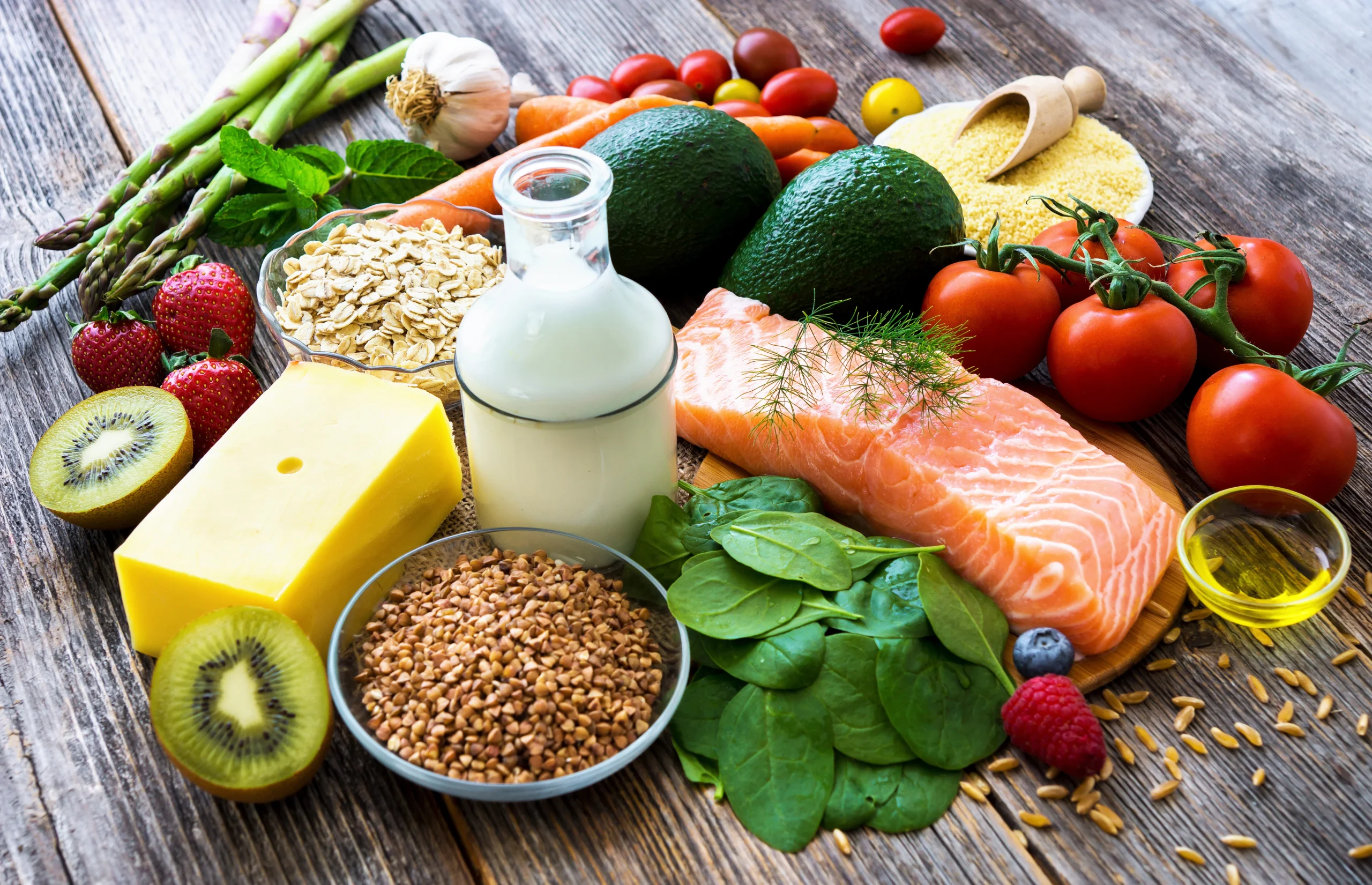
A nutrient-rich diet is the foundation of strong, healthy hair. Whole foods provide a balanced combination of vitamins that work together to support growth.
Including a variety of fruits, vegetables, proteins, and healthy fats ensures that your body receives all the essential nutrients it needs. Hydration also plays a key role in maintaining scalp health.
Rather than focusing on a single nutrient, it is more effective to adopt a holistic approach when addressing which vitamin deficiency causes hair loss.
Should You Take Supplements?
Supplements can be helpful if you have a diagnosed deficiency. However, taking vitamins without proper guidance can do more harm than good.
Over-supplementation, especially of fat-soluble vitamins, can lead to toxicity and worsen hair loss. It is always advisable to consult a healthcare professional before starting any supplement.
Many people jump to supplements when researching which vitamin deficiency causes hair loss, but testing and proper diagnosis are essential steps.
Lifestyle Factors That Affect Hair Growth
Hair health is influenced by more than just nutrition. Lifestyle choices also play a significant role.
Chronic stress, poor sleep, and excessive use of heat styling tools can weaken hair over time. Maintaining a balanced routine helps support the body’s natural processes, including hair growth.
Addressing these factors alongside nutritional deficiencies provides a more complete solution to understanding which vitamin deficiency causes hair loss.
Natural Ways to Support Hair Growth
In addition to improving your diet, certain natural remedies can support scalp health and hair strength.
Regular oil massages can improve blood circulation, while natural ingredients like aloe vera can soothe the scalp. These methods do not replace proper nutrition but can enhance overall results.
Combining natural care with dietary improvements is an effective approach when dealing with which vitamin deficiency causes hair loss.
Which vitamin deficiency causes hair loss?
Vitamin D, Vitamin B12, Biotin (B7), Vitamin E, and Vitamin C deficiencies are commonly linked to hair loss. Correcting these deficiencies can help restore healthy hair growth.
When to Seek Medical Advice
If your hair loss is severe, sudden, or persistent, it is important to consult a doctor. Blood tests can identify nutrient deficiencies and help determine the underlying cause.
Professional guidance ensures that you address the correct issue rather than relying on guesswork.
FAQs
1. Can vitamin deficiency cause hair loss permanently?
In most cases, hair loss caused by vitamin deficiency is temporary and reversible with proper treatment.
2. How long does it take to see improvement?
Hair regrowth typically begins within 3 to 6 months after correcting the deficiency.
3. Is biotin the best vitamin for hair growth?
Biotin helps, but hair health depends on multiple vitamins working together.
4. Can I fix hair loss through diet alone?
Yes, if the cause is nutritional deficiency, a balanced diet can significantly improve hair health.
5. Does sunlight help with hair growth?
Yes, sunlight boosts Vitamin D production, which supports hair follicles.
Conclusion: Take Charge of Your Hair Health
Hair loss can feel overwhelming, but understanding its root cause gives you the power to take control. If you have been wondering which vitamin deficiency causes hair loss, the answer often lies in a combination of nutrient imbalances rather than a single factor.
By improving your diet, maintaining a healthy lifestyle, and seeking professional advice when needed, you can restore your hair’s strength and vitality. Small, consistent changes can lead to noticeable improvements over time.
Your hair reflects your overall health. Nourish your body, and your hair will follow.
Read More:-Creatine and Hair Health: Truth About Shedding and Growth