

Essential Points
- Facial asymmetry can develop due to genetics, ageing, injury, muscle activity, or volume loss.
- Dermal fillers are commonly used to improve the balance between uneven facial features.
- Different injection techniques are used depending on the area being treated.
- Treatment planning often focuses on proportion rather than making both sides identical.
- Recovery after dermal filler injections may involve temporary swelling or bruising.
Introduction
Facial asymmetry refers to visible differences between the left and right sides of the face. Minor asymmetry is common and often unnoticeable. However, some individuals develop a more visible imbalance due to ageing, facial structure, injury, dental conditions, or changes in soft tissue volume. Fortunately, in aesthetic medicine, dermal filler injections are commonly used to improve facial proportions and restore volume in specific areas. Clinics offering dermal fillers in Singapore often assess asymmetry during consultations to determine whether fillers are suitable for correction or enhancement.
The Truth About Facial Asymmetry
Facial asymmetry can appear in different ways. Some individuals have uneven cheeks, while others notice differences in jawline definition, lip shape, chin projection, or under-eye hollowness. Ageing is one of the most common contributing factors because facial fat distribution changes over time. Bone structure may also shift gradually with age, causing one side of the face to appear flatter or more sunken than the other.
Not all asymmetry is related to ageing. Genetics can influence natural facial proportions from birth, while previous injuries or surgery may also alter facial balance. Repetitive facial movements and sleeping habits are occasionally discussed as contributing factors, although structural anatomy usually plays a larger role.
How Dermal Fillers Are Used
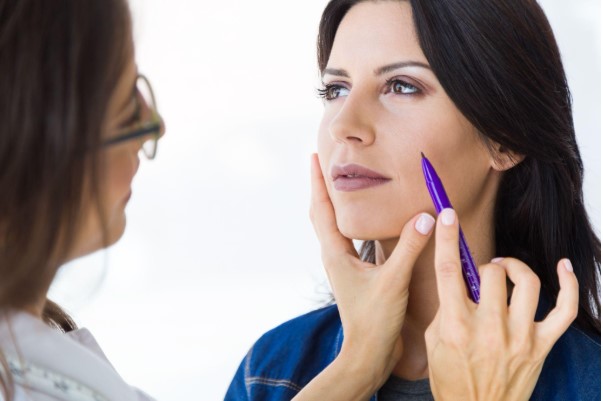
The purpose of dermal filler injections in asymmetry correction is to add support or volume where needed. Hyaluronic acid fillers are commonly selected because they can be adjusted based on the amount and placement required. Practitioners, during treatment planning, evaluate the face both at rest and during movement to identify areas where imbalance is most visible.
Cheek asymmetry is one of the most frequently treated concerns. If one cheek has less volume projection, filler may be placed strategically to create improved contour and support. Chin fillers may also be used when the chin appears shifted or lacks symmetry from one angle. Small amounts of filler, in some cases, are added gradually over multiple sessions instead of completing the correction in one appointment.
Lip asymmetry is another common reason patients seek treatment. Some individuals naturally have one side of the lip higher or fuller than the other. Fillers can be used conservatively to improve balance while maintaining natural movement and proportion.
Areas Commonly Treated for Balance
Clinics providing dermal fillers often address several facial regions during asymmetry correction. The cheeks, chin, jawline, temples, and lips are frequently assessed together because facial proportions are interconnected. Correcting one area alone may not always create balanced results.
Jawline fillers may be used when one side appears less defined or structurally weaker. Under-eye fillers can improve hollowing that is more noticeable on one side of the face. Temple volume loss may also contribute to uneven upper facial contours, especially in older individuals.
Asymmetry, in some situations, cannot be fully corrected with fillers alone. Structural differences involving bone position, muscle imbalance, or dental alignment may require other forms of treatment. Practitioners generally explain these limitations during consultation.
Considerations Before Treatment
Practitioners usually assess medical history, previous aesthetic procedures, and facial anatomy before performing dermal filler injections. Photographs may be taken to compare proportions before and after treatment. Patients are also informed that complete facial symmetry is rarely achievable because natural faces are not perfectly equal on both sides.
Temporary swelling and bruising may occur after treatment, particularly in areas with thinner skin. Results can also change slightly as swelling settles during the first one to two weeks. Follow-up reviews are sometimes recommended to assess whether additional adjustment is required.
Conclusion
Facial asymmetry can develop from multiple factors, including ageing, genetics, and structural differences. Dermal filler injections are commonly used to improve facial balance by restoring volume and contour in targeted areas. Clinics offering dermal fillers typically approach asymmetry correction through detailed facial assessment and gradual treatment planning. While fillers may improve proportions, treatment outcomes depend on anatomy, product selection, and realistic expectations regarding facial symmetry.
Contact Veritas Medical Aesthetics to achieve a facial balance that involves more than adding volume to one area.