
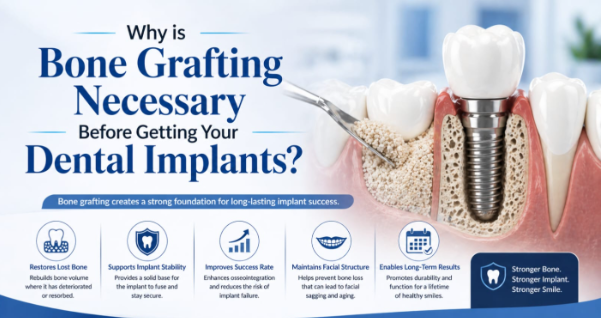

Dental restoration requires a solid foundation within the jaw for long-term health and stability. Securing affordable dental implants in Houston involves more than just selecting a skilled surgical team. Numerous individuals face the challenge of recessed bone tissue that cannot support a prosthetic root. Rebuilding this area allows for a lasting smile transformation.
The Role of Jawbone Density
A healthy jawbone provides the structural integrity needed to hold a titanium implant firmly in place. Elite Dental Specialists evaluates the thickness and height of the bone during the initial consultation process. The clinic uses detailed scans to determine if the site can withstand the pressure of biting.
Reasons for Bone Loss
Bone tissue naturally starts to shrink after tooth extraction. This process occurs as the bone no longer receives the stimulation provided by a natural tooth root. Finalizing dental treatment plans in Houston requires addressing this loss before you undergo surgery.
Creating a Stable Platform
Bone grafting serves as a way to create a sturdy platform for the upcoming implant procedure. A specialist places new material into the recessed area to encourage natural growth. The body slowly integrates this material to form a strong section of bone. This step prevents the implant from shifting.
Preserving Facial Structure Integrity
A lack of jawbone volume usually leads to a sunken appearance in the lower face as well as cheeks. Grafting procedures help maintain the natural shape of the jawline by restoring lost bone mass. Keeping the face looking youthful and healthy is a priority for numerous patients.
Success Rates and Bone Grafts
Clinical evidence shows that grafting significantly increases the success rate of various restorative procedures. The process guarantees that the metal root bonds properly with the surrounding tissue during the healing phase. Note that skipping this preparation phase leads to complications.
Managing the Healing Timeline
Patience is required as the new bone material fuses with the existing jawbone structure. This healing period varies based on the health of the patient and the type of graft. The site becomes ready for the final placement of the implant once the area has healed.
Long-Term Oral Health Benefits
Healthy bone mass prevents the remaining natural teeth from shifting out of their proper positions.
Grafting maintains the overall alignment of the bite. It reduces the risk of future tooth loss. A strong jaw supports the entire oral system and keeps the surrounding gums in a healthy state.
Final Thoughts
Choosing bone grafting creates the ideal environment for a permanent dental restoration. This preparation ensures that the new tooth root stays secure. A proper jawbone leads to a beautiful smile and high confidence for each patient. This necessary step makes a significant difference for the future of oral health.
FAQs
Why is bone grafting needed for patients?
This procedure provides the necessary volume of bone to anchor a permanent prosthetic root. Most people lose density after losing a tooth and require a stronger base for safety.
How are affordable dental implants secured properly?
Success depends on the process of osseointegration, where the bone grows around the titanium post. Grafting creates a dense environment that allows this natural bonding to occur without issues.
What determines complex dental treatment plans?
The health of the jawbone and the number of missing teeth shape the surgical approach. Professionals assess the level of bone recession to decide if grafting is required first.